Bristlenose Pleco Care: Tank Size, Diet & Setup
Bristlenose pleco care guide: ideal 25 to 30 gallon tank, 73 to 81F water, why they need driftwood, the right algae and veggie diet, tankmates, and breeding.
The bristlenose pleco (genus Ancistrus) is the algae-eating catfish most experienced keepers actually recommend. It stays around 4 to 5 inches, thrives in a 25 to 30 gallon tank, and grazes happily on algae and driftwood while staying peaceful with the rest of your community. That makes it the sensible alternative to the common pleco, which can reach 18 to 24 inches and outgrow nearly every home aquarium.
Males grow the showy branching "bristles" on the snout that give the fish its name, while females have a few short whiskers at most. Below is everything you need to keep one healthy, from water parameters to the one piece of decor it genuinely cannot do without: driftwood.
At-a-glance care stats
| Care factor | Detail |
|---|---|
| Care level | Easy, beginner-friendly |
| Adult size | About 4 to 5 inches |
| Minimum tank size | 25 to 30 gallons |
| Temperature | 73 to 81F |
| pH | 6.5 to 7.5 |
| Hardness | Soft to moderately hard (around 5 to 15 dGH) |
| Temperament | Peaceful, nocturnal |
| Diet | Herbivore: algae, wafers, blanched veg, driftwood |
| Lifespan | 5 to 12 years |
| Must-have decor | Driftwood and a cave |
Bristlenose Pleco Essentials
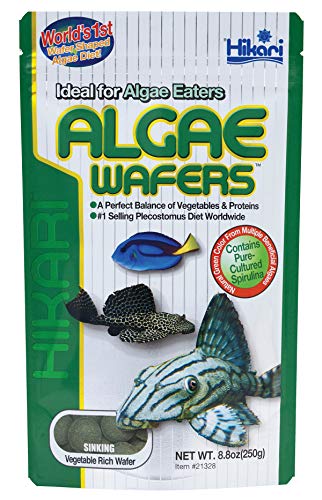
$15.49 on Amazon
Spirulina-rich sinking wafer, a long-running staple diet for plecos and other algae eaters.

$10.99 on Amazon
Concentrated wafers with added natural color enhancers, a handy second sinking option.
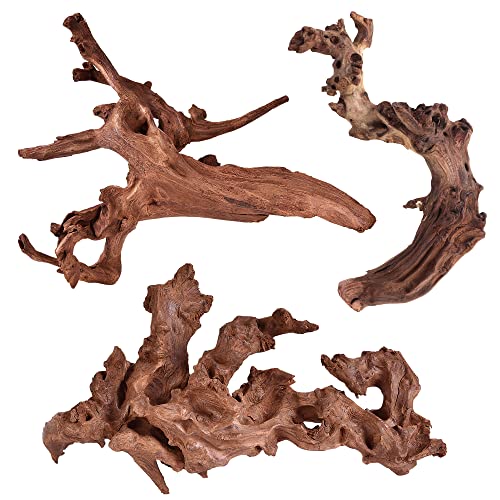
majoywoo Natural Aquarium Driftwood
$22.99 on Amazon
Real driftwood that plecos rasp on for fiber, plus a tannin source and grazing surface.

Plecoceramics Pleco Breeding Cave (2 pc)
$17.59 on Amazon
Fired-clay D-shaped cave that gives a bristlenose a dark daytime retreat and breeding site.
Tank setup
A single bristlenose does well in a 25 to 30 gallon tank, and that footprint also gives you room for a small community above. Because these fish are heavy waste producers, lean toward the larger end of the range and avoid crowding. Not sure if a pleco fits your existing setup? Run the numbers with our minimum tank size calculator and confirm the full community load with the stocking calculator before you buy.
Driftwood is non-negotiable
Bristlenose plecos rasp on wood, and the fiber supports their digestion. Add at least one substantial piece of aquarium driftwood and let it soak or boil until it sinks. Beyond the dietary benefit, wood releases tannins that gently soften and tint the water, and it grows the biofilm and soft algae your pleco grazes throughout the day.
Caves, substrate, and flow
Provide a dark cave or two so your pleco has a daytime retreat; a fired-clay pleco cave is ideal and doubles as a breeding site. Smooth gravel or sand both work. Plecos appreciate well-oxygenated, moving water, so aim for a filter with a turnover of roughly 4 to 6 times the tank volume per hour. A heater rated near 3 to 5 watts per gallon keeps temperatures stable.
Water parameters
Bristlenose plecos are adaptable but do best between 73 and 81F, with a pH of 6.5 to 7.5 and soft to moderately hard water. The non-negotiable rule is the same as for any fish: never add one to an uncycled tank. Let the aquarium complete a full fishless nitrogen cycle first, which usually takes 4 to 6 weeks, so beneficial bacteria can process ammonia and nitrite to near zero. Our water and care guides walk through cycling and routine testing in depth.
Keep nitrate in check with weekly partial water changes and a gravel vacuum. Because plecos add a meaningful bioload, a slightly oversized filter and consistent maintenance go a long way.
Diet
Bristlenose plecos are primarily herbivores, so build the diet around plant matter rather than relying on tank algae alone. A practical feeding routine looks like this:
- Offer sinking algae wafers as the daily staple, dropped in after lights out.
- Add blanched vegetables a few times a week: zucchini, cucumber, deshelled peas, and spinach are favorites.
- Keep driftwood in the tank as a constant source of fiber and grazing biofilm.
- Offer occasional protein, such as the odd sinking pellet, but keep it minor.
Remove uneaten vegetables within 24 hours so they do not pollute the water. A common mistake is assuming a pleco will survive on algae alone; in a clean, well-maintained tank there often is not enough to sustain it.
Tankmates
Peaceful and bottom-focused, bristlenose plecos suit almost any calm community. Good companions include tetras, rasboras, danios, guppies, platies, mollies, corydoras, and gouramis. Avoid large or aggressive cichlids that might harass them, and skip very nippy species. Housing two males together in a small tank can spark cave disputes, so keep one male per modest tank or scale up and add more hiding spots.
Health
Bristlenose plecos are hardy when water quality is good. The most common problems trace back to poor maintenance: high nitrate, ammonia spikes in an under-cycled tank, or a diet too low in vegetables. Watch for a sunken belly, which signals underfeeding, and for clamped fins or lethargy, which point to water issues. Quarantine new arrivals when possible, and for a clearly sick fish, consult a local fish store or an aquatic vet rather than guessing at medications.
Breeding
Bristlenose plecos are among the easier catfish to breed at home. Provide a snug cave, keep parameters stable, and a slightly cooler water change can trigger spawning. The male claims the cave, the female lays a clutch of bright orange eggs inside, and the male then guards and fans them until they hatch in about 4 to 10 days. The fry cling to surfaces and feed on biofilm, algae, and crushed wafers. Because a successful spawn quickly adds bioload, plan grow-out space ahead of time and recheck capacity with the stocking calculator.
Is a bristlenose pleco right for you?
If you want a peaceful, hard-working algae grazer that will not outgrow a normal tank, the bristlenose is hard to beat. Give it driftwood, a cave, a vegetable-forward diet, and steady water changes, and it will reward you with years of quiet, useful activity. Before adding one, confirm your real water volume with the aquarium volume calculator so heater wattage, dosing, and stocking are all based on accurate gallons.
Aquarium Setup & Maintenance Planner
Stocking planner, water-test log, cycling tracker, maintenance schedule, and more, in one printable planner that keeps your tank on track.
Frequently Asked Questions
How big do bristlenose plecos get?
Bristlenose plecos stay small for a pleco, reaching about 4 to 5 inches as adults. That is the big reason to choose them over a common pleco, which can hit 18 to 24 inches and quickly outgrow most home tanks. Their modest size lets them live comfortably in a 25 to 30 gallon tank, while a common pleco realistically needs well over 100 gallons.
Do bristlenose plecos really need driftwood?
Yes. Bristlenose plecos rasp on driftwood, and the fiber it provides supports healthy digestion. A tank without wood often leads to a less settled, less healthy fish. Add at least one solid piece of aquarium driftwood and let it soak or boil first so it sinks. The wood also releases tannins and grows the soft biofilm and algae that plecos love to graze.
Will a bristlenose pleco keep my tank clean?
It will help with soft green and brown algae and will clean up uneaten food, but it is not a substitute for maintenance. A bristlenose actually produces a heavy bioload of waste, so you still need a properly sized filter, regular water changes, and a gravel vacuum. Think of it as part of a cleanup crew, not a replacement for the nitrogen cycle and weekly upkeep.
What do bristlenose plecos eat?
They are largely herbivores. Base the diet on algae and sinking algae wafers, then add blanched vegetables like zucchini, cucumber, and spinach a few times a week. Driftwood supplies extra fiber. Feed wafers and veg after lights out since plecos are most active at night. Remove uneaten vegetables within a day so they do not foul the water.
Are bristlenose plecos good for community tanks?
Very. They are peaceful, spend their time on the glass, wood, and substrate, and ignore other fish. They pair well with tetras, rasboras, livebearers, gouramis, and most peaceful community species. Just avoid housing two males in a small tank, since males can squabble over caves, and make sure tankmates are not aggressive fin-nippers.
How many bristlenose plecos can I keep together?
One bristlenose is plenty for a 25 to 30 gallon community tank because of their waste output. If you want a pair or small group for breeding, step up to 40 gallons or more and provide a cave per male to reduce territorial disputes. Use our stocking calculator to check the combined bioload before adding a pleco to an existing community.
Planning or running a tank?
Use our free calculators and guides to get every number right.
Aquarium Planner: $39