Discus Care: Tank Size, Warm Water & Diet Guide
Discus care guide for advanced keepers: 55 gallon group tank, warm 82 to 88F soft acidic water, frequent water changes, RO/DI prep, diet, and tankmates.
Often called the king of the aquarium, the discus (Symphysodon) is a tall, disc-shaped Amazonian cichlid that reaches about 8 inches and comes in dazzling patterns and colors. It is also one of the most demanding fish in the hobby: discus need warm, soft, acidic water, a large group tank, a varied diet, and frequent large water changes. This is an advanced fish, best taken on after you have mastered the basics with hardier species.
Done right, a planted tank of healthy discus gliding in a group is one of the most striking sights in freshwater fishkeeping. Here is what it takes to keep them well.
At-a-glance care stats
| Care factor | Detail |
|---|---|
| Care level | Advanced |
| Adult size | About 8 inches (tall disc) |
| Minimum tank size | 55 gallons for a group of 5 to 6 |
| Temperature | 82 to 88F (very warm) |
| pH | 6.0 to 7.0 (soft, acidic) |
| Hardness | Soft (low dGH) |
| Temperament | Peaceful, shoaling cichlid |
| Diet | Carnivore-leaning omnivore |
| Lifespan | 10 to 15 years |
| Key need | Frequent large water changes |
Discus Keeping Essentials

Hikari Tropical Discus Bio-Gold
A color-enhancing floating diet formulated specifically for the needs of discus.

Seachem NutriDiet Discus Flakes
Fortified discus flake with probiotics to round out a varied discus diet.
Aquatic Life RO Buddie 4-Stage RO/DI System
Reverse osmosis and deionization unit for producing the soft, pure water discus prefer.
Tank setup
Discus are social and should be kept in groups, so start with at least 55 gallons for 5 to 6 fish and go larger if you can. A bigger volume is not a luxury here: it buffers temperature and water chemistry, which is exactly what these sensitive fish need. Their tall body shape also benefits from a deep tank. Plan the group carefully with our minimum tank size calculator, and confirm the heavy bioload with the stocking calculator before committing.
Filtration, heating, and layout
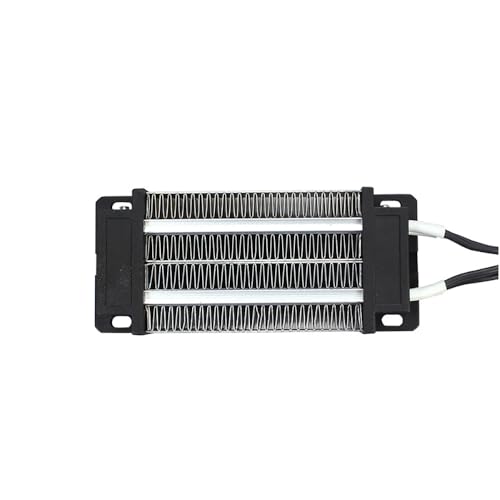
Discus need strong biological filtration to keep up with heavy feeding, so a quality canister filter or a large sponge-based system is common, with gentle to moderate flow. Because they run so warm, fit a reliable heater; a 300 watt unit suits a typical discus tank, and sizing near 3 to 5 watts per gallon keeps temperatures rock steady. Warm water holds less oxygen, so ensure good surface movement and aeration. Many keepers use a simple layout, planted or bare-bottom, that makes the frequent water changes easy.
Water parameters
Water quality is the heart of discus keeping. Target 82 to 88F, a soft and slightly acidic pH around 6.0 to 7.0, and low hardness. Many keepers produce pure water with an RO/DI unit and then remineralize to a precise, repeatable target, which removes the variability of tap water. Never add discus to an uncycled tank: complete a full fishless nitrogen cycle, usually 4 to 6 weeks, so ammonia and nitrite read zero. Keep nitrate very low through frequent water changes, and test regularly. Our water and care guides cover cycling, testing, and water preparation in depth.
Frequent water changes
Discus are famous for their water-change demands. Adults in an established tank typically need several large changes per week, while growing juveniles often need much more, sometimes daily large changes, to grow evenly and stay healthy. Match new water to the tank's temperature and parameters to avoid stressful swings. This routine is the single biggest commitment of discus keeping, so be honest about whether it fits your schedule.
Diet
Discus are carnivore-leaning omnivores that benefit from variety and several small meals a day:
- Use a quality discus pellet and a fortified discus flake as the base.
- Add frozen or prepared foods: bloodworms, brine shrimp, and discus beef-heart blends.
- Feed small amounts multiple times daily, especially for growing juveniles.
- Remove uneaten food promptly to protect water quality in the warm tank.
Tankmates
Because discus need such warm water and pristine conditions, choose tankmates carefully or keep a species-only tank. Compatible warm-water companions include cardinal tetras, rummynose tetras, and other peaceful, heat-tolerant species, plus bottom-dwellers like sterbai corydoras that handle the heat. Avoid fast, aggressive, or nippy fish that stress discus or steal food, and avoid anything that cannot tolerate the high temperatures. Confirm every tankmate and the overall load with the stocking calculator.
Health
Most discus health problems trace back to water quality and stress. Warm water, heavy feeding, and a tall sensitive fish make stable, clean conditions essential. Watch for darkening color, clamped fins, hiding, and refusing food as early warning signs. Quarantine new arrivals diligently, since discus can be vulnerable to internal parasites and bacterial issues. For a clearly sick fish, consult a discus-experienced fish store or an aquatic vet rather than guessing at treatments.
Breeding
Discus are remarkable parents: a bonded pair lays eggs on a vertical surface, and the fry feed on a nutritious mucus the parents secrete on their bodies in the first days of life. Breeding requires very clean, soft, warm water, a dedicated tank, and meticulous maintenance, which is why it is considered a milestone achievement in the hobby. If you pursue it, plan grow-out space well ahead and recheck capacity with the stocking calculator.
Is a discus right for you?
Discus are stunning, long-lived, and deeply rewarding, but they are a serious commitment of time, equipment, and skill. If you can provide a large group tank, very warm soft water, and frequent large water changes, they will reward you for a decade or more. Before setup, confirm your real water volume with the aquarium volume calculator so heater wattage, dosing, and water-change volumes are all based on accurate gallons.
Aquarium Setup & Maintenance Planner
Stocking planner, water-test log, cycling tracker, maintenance schedule, and more, in one printable planner that keeps your tank on track.
Frequently Asked Questions
What size tank do discus need?
Discus are tall, deep-bodied fish that reach about 8 inches and should be kept in groups, so plan for at least 55 gallons for a group of 5 to 6, and ideally larger. They feel insecure alone or in small numbers, and a bigger water volume also helps maintain the pristine, stable conditions they require. Use our minimum tank size calculator and stocking calculator to plan the group properly.
Why do discus need such warm water?
Discus come from warm Amazon waters and thrive at 82 to 88F, hotter than almost any common community fish. Many keepers run them around 84 to 86F. This warmth supports their metabolism, color, and immune health, but it also means tankmates must tolerate the heat, and the warmer water holds less oxygen, so good aeration and filtration become more important.
Are discus good for beginners?
No, discus are an advanced fish. They demand very high water quality, warm soft acidic water, frequent large water changes, a varied diet, and a stable, mature tank. They are sensitive to nitrate, stress, and parameter swings, and growing juveniles need especially intensive water changes. Beginners are usually better served by hardy species first, building skills before taking on discus.
How often do you do water changes for discus?
Discus are famous for needing frequent, large water changes. For adults in an established planted tank, several sizable changes per week are common. Growing juveniles often need much more, sometimes daily large changes to support fast, even growth and keep nitrate very low. The exact schedule depends on stocking, feeding, and tank size, but the rule is simple: discus reward clean, stable water.
What water parameters do discus need?
Aim for 82 to 88F, a soft and slightly acidic pH around 6.0 to 7.0, and low hardness. Many keepers use an RO/DI unit to produce pure water, then remineralize to the target, which gives precise, repeatable parameters. Keep nitrate low through frequent water changes. Stability matters as much as the exact numbers, so test regularly and avoid sudden swings.
What do discus eat?
Discus are carnivore-leaning omnivores. Feed a varied diet of quality discus pellets and flakes plus frozen or prepared foods such as bloodworms, brine shrimp, and discus beef-heart blends, several small meals a day. Variety supports color, growth, and health. Remove uneaten food promptly, since heavy feeding combined with warm water makes water quality harder to maintain.
Planning or running a tank?
Use our free calculators and guides to get every number right.
Aquarium Planner: $39