Dwarf Gourami Care: Tank Size, Diet & Tankmates
Dwarf gourami care guide: 10 to 15 gallon tank, 77 to 82F water, why this labyrinth fish needs surface access, diet, tankmates, and dwarf gourami iridovirus.
The dwarf gourami (Trichogaster lalius) is one of the most popular centerpiece fish for small community tanks, and it is easy to see why: males flash brilliant red and electric-blue stripes and have calm, deliberate personalities. They stay around 3.5 inches, suit a 10 to 15 gallon tank, and breathe air at the surface thanks to a labyrinth organ. With gentle flow, a few floating plants, and the right tankmates, a dwarf gourami is a rewarding fish for keepers stepping up from their first betta or community setup.
The two things to get right are surface access and a peaceful environment, plus a careful eye when buying, because this species is prone to dwarf gourami iridovirus. Here is the full care picture.
At-a-glance care stats
| Care factor | Detail |
|---|---|
| Care level | Easy to intermediate |
| Adult size | About 3.5 inches |
| Minimum tank size | 10 to 15 gallons (longer is better) |
| Temperature | 77 to 82F |
| pH | 6.0 to 7.5 |
| Hardness | Soft to moderate (around 4 to 12 dGH) |
| Temperament | Peaceful; males can be territorial |
| Diet | Omnivore: flakes, pellets, frozen treats |
| Lifespan | 3 to 5 years |
| Special note | Labyrinth fish; needs surface air access |
Dwarf Gourami Essentials

Tetra TetraMin Tropical Flakes
A nutritionally balanced everyday flake that gouramis readily take from the surface.

Tetra TetraColor Tropical Flakes
Color-boosting flake that helps a dwarf gourami's reds and blues stay vivid.
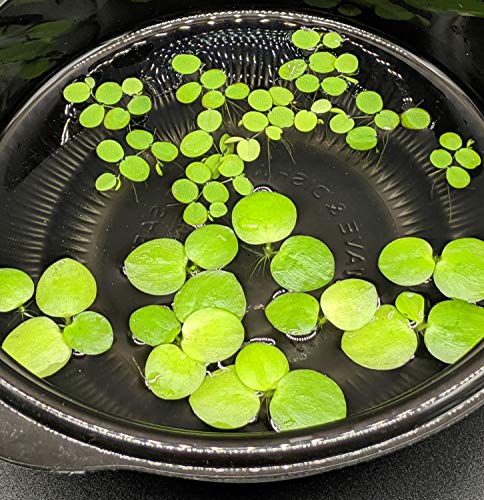
HIRO AQUATICS Amazon Frogbit & Water Spangles Combo
Live floating plants that shade the surface and give labyrinth fish a calm, secure top.

Aquarium Plant Center Salvinia Minima Floating Plant
Fast-growing floating plant that softens light and exports excess nitrate naturally.
Tank setup
A dwarf gourami needs a minimum of 10 to 15 gallons, and a long, low tank beats a tall one because these fish work the upper levels and must reach the surface comfortably. Plan for one male, since two males in close quarters usually leads to fighting. To match the tank to your full stocking plan, start with our minimum tank size calculator, then double-check the community load with the stocking calculator.
Calm surface and gentle flow
Because dwarf gouramis gulp air at the top, keep surface agitation gentle. A baffled hang-on-back filter or a sponge filter works well. Floating plants such as frogbit and salvinia are ideal: they shade the surface, make a shy gourami feel secure, and help export nitrate. Just leave open gaps so the fish can always breathe. A heater near 3 to 5 watts per gallon holds the warm temperatures this species prefers.
Water parameters
Keep dwarf gouramis at 77 to 82F, with a pH of 6.0 to 7.5 and soft to moderately hard water. As always, never introduce one to an uncycled tank: complete a full fishless nitrogen cycle, which typically takes 4 to 6 weeks, so ammonia and nitrite read zero before stocking. Weekly partial water changes keep nitrate low and stress down, which matters even more for a species vulnerable to disease. Our water and care guides cover cycling and routine testing step by step.
Diet
Dwarf gouramis are omnivores with small mouths and a curious, methodical feeding style. Build the diet like this:
- Use a quality tropical flake or small pellet as the daily staple.
- Add a color-enhancing flake to keep their reds and blues vivid.
- Offer frozen or live bloodworms, brine shrimp, and daphnia a few times a week.
- Include some plant matter, since they nibble at the surface and among plants.
Feed small amounts once or twice a day, only what the fish clears in a couple of minutes, to keep the water clean and the gourami in good condition.
Tankmates
Dwarf gouramis are peaceful toward other species, so pair them with calm, non-nippy community fish: small tetras, rasboras, corydoras, kuhli loaches, and peaceful livebearers like platies all make good companions. Avoid known fin-nippers such as tiger barbs, and do not keep a dwarf gourami with a betta or another male gourami, since their similar shape and color can trigger territorial aggression. Plenty of plants and decor to break up sightlines keeps the peace.
Health and dwarf gourami iridovirus
The biggest health concern with this species is dwarf gourami iridovirus (DGIV), a viral disease that is common in commercially mass-bred stock. It has no cure and often shows as fading color, lethargy, loss of appetite, and skin sores. Because you cannot treat it, prevention is everything: buy from a reputable local fish store or breeder, pick active and brightly colored fish, quarantine new arrivals, and keep water quality high to minimize stress. Routine issues like fin rot or ich usually point to water-quality problems; for a clearly sick fish, ask your local fish store or an aquatic vet for guidance.
Breeding
Dwarf gouramis are bubble-nest builders. A male constructs a floating nest, often anchored among floating plants, then coaxes the female beneath it to spawn. He tends the nest and fry afterward. If you want to try breeding, a separate, gently filtered tank with lots of floating cover and slightly warmer water improves success, and the male should be removed once the fry are free-swimming. Plan grow-out space ahead, and recheck capacity with the stocking calculator if you intend to raise a batch.
Is a dwarf gourami right for you?
If you want a calm, colorful centerpiece for a small planted community, a dwarf gourami delivers, provided you give it surface access, gentle flow, and peaceful tankmates, and you buy from a trustworthy source. Before you set up, confirm your real water volume with the aquarium volume calculator so heater sizing, dosing, and stocking are all based on accurate gallons.
Aquarium Setup & Maintenance Planner
Stocking planner, water-test log, cycling tracker, maintenance schedule, and more, in one printable planner that keeps your tank on track.
Frequently Asked Questions
What size tank does a dwarf gourami need?
A dwarf gourami needs at least 10 to 15 gallons, and a longer footprint is better than a tall one because these fish use the surface and need calm water to breathe air. A 15 to 20 gallon long tank gives a male room to claim territory without constant stress and leaves space for peaceful tankmates. Use our minimum tank size calculator to match the tank to your stocking plan.
Why does a dwarf gourami breathe air from the surface?
Dwarf gouramis are labyrinth fish, meaning they have a special organ that lets them gulp atmospheric air at the surface. This is normal and healthy, so they must always have easy access to the top of the tank. Keep surface agitation gentle, avoid a tight-fitting lid that traps hot, stale air, and do not overcrowd floating plants so there are always open gaps to breathe.
Are dwarf gouramis aggressive?
They are generally peaceful toward other species but males can be territorial, especially toward other male dwarf gouramis or similar-looking fish. The safest setup is one male per tank. You can keep a male with peaceful community fish, or keep females together more easily. Provide plants and decor to break up sightlines, which reduces squabbling and gives a stressed fish places to retreat.
What is dwarf gourami iridovirus?
Dwarf gourami iridovirus, often shortened to DGIV, is a viral disease that is unfortunately common in mass-bred dwarf gouramis. There is no cure, and affected fish often show color loss, lethargy, and sores before declining. The best defense is prevention: buy from a reputable local store or breeder, choose active, well-colored fish, quarantine new arrivals, and keep water quality high to limit stress.
What do dwarf gouramis eat?
Dwarf gouramis are omnivores and do well on a quality tropical flake or small pellet as a staple. Round out the diet with frozen or live treats such as bloodworms, brine shrimp, and daphnia a few times a week, and add some plant-based food too. Feed small amounts once or twice daily, only what they finish in a couple of minutes, to keep water clean.
What are good tankmates for a dwarf gourami?
Pair a dwarf gourami with calm, non-nippy community fish: tetras, rasboras, corydoras, kuhli loaches, and peaceful livebearers all work well. Avoid fin-nippers like tiger barbs and avoid other male gouramis or bettas, which can trigger aggression. Confirm the combined bioload fits your tank with our stocking calculator before adding everyone.
Planning or running a tank?
Use our free calculators and guides to get every number right.
Aquarium Planner: $39