Goldfish Care: Tank Size, Water & Diet Guide
Goldfish care done right: real tank sizes for fancy and common goldfish, coldwater temps of 65 to 72F, strong filtration for their heavy bioload, and diet.
Goldfish need far more space than the bowl on the shelf suggests. A single fancy goldfish needs about 20 gallons, plus roughly 10 gallons for each additional fish, while slim bodied common and comet goldfish need 75 gallons or a pond. They are coldwater fish happiest at 65 to 72F, so a heater is usually unnecessary in a heated home. They are also very messy, high bioload fish, and with proper care they live 10 to 20 years or more.
Goldfish are not disposable starter pets, they are a long term commitment that demands real space and serious filtration. This guide covers tank size by goldfish type, coldwater parameters, the strong filtration their waste demands, diet, tankmates, and health. Before you buy, size your build with the minimum tank size calculator and confirm real water volume with the aquarium volume calculator.
Goldfish care at a glance
| Care factor | Detail |
|---|---|
| Minimum tank size | Fancy: 20 gallons first fish, +10 per extra. Common/comet: 75 gallons or pond |
| Adult size | Fancy 6 to 8 inches; common/comet 10 to 12+ inches |
| Temperature | 65 to 72F (coldwater, no heater needed in a heated home) |
| pH | 7.0 to 8.4 |
| Hardness | Moderate to hard, roughly 8 to 18 dGH |
| Diet | Omnivore: goldfish pellets plus blanched vegetables |
| Temperament | Peaceful and social, but messy and high bioload |
| Lifespan | Fancy 10 to 15 years; common/comet 20+ years |
| Grouping | Social; keep with similar bodied goldfish in adequate space |
Tank setup
The single most important decision is matching the tank to the goldfish type. Fancy goldfish, the round bodied varieties like orandas, ryukins, and fantails, stay smaller and slower, so 20 gallons works for the first fish with about 10 gallons added per additional fish. Common goldfish, comets, and shubunkins are torpedo shaped, fast, and can exceed a foot in length, so they need 75 gallons or more, and they truly belong in a pond. Bigger is always better here because more water dilutes the heavy waste these fish produce.
Filtration
Goldfish have one of the highest bioloads in the freshwater hobby, so over filter. Aim for filtration rated well above the tank size, with turnover of roughly 4 to 10 times the tank volume per hour, and lean toward the high end. A strong canister or oversized hang on back filter handles the ammonia these fish generate. Confirm your numbers with the filter turnover calculator so the biological filter can actually keep up. As always, never add goldfish to an uncycled tank; the nitrogen cycle takes about 4 to 6 weeks fishless.
Substrate and decor
Goldfish love to dig and forage, so use either a fine sand bed or large smooth gravel they cannot swallow and choke on. Avoid small gravel that fits in a goldfish mouth, and skip sharp decor, since fancy goldfish with bulbous eyes or wens are easily injured. Live plants can work, though goldfish often eat soft species, so hardy plants like anubias and java fern, or tough vegetables as snacks, hold up best.
Water parameters
Goldfish are coldwater fish, content at 65 to 72F, so a heater is usually unnecessary indoors and tropical heat actually harms them by accelerating their metabolism. They prefer a pH from 7.0 to 8.4 and moderate to hard water. Because of their heavy bioload, water changes are where goldfish keeping is won or lost. Plan generous weekly water changes, test for ammonia, nitrite, and nitrate, and keep ammonia and nitrite at 0 ppm with nitrate controlled. Always dechlorinate new water before it enters the tank.
Diet
Goldfish are omnivores with big appetites. Use a quality goldfish food as the staple, and favor sinking pellets or gel food over floating flakes, because gulping air at the surface contributes to swim bladder trouble in round bodied fancies. Supplement regularly with blanched vegetables such as deshelled peas, spinach, and zucchini, which aid digestion and prevent constipation. Feed small portions once or twice a day, only what the fish clear in a couple of minutes. Overfeeding is the fastest way to cloud the water and stress the filter.
Goldfish keeping essentials

Hikari Sinking Goldfish Excel Pellets
$7.99 on Amazon
Sinking staple diet that helps fancies avoid gulping air at the surface.
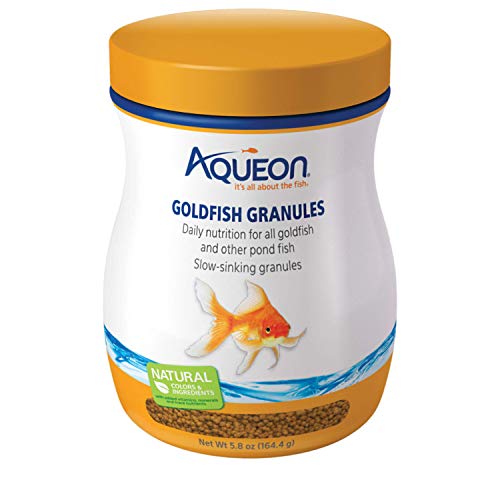
Aqueon Goldfish Slow Sinking Granules
$6.19 on Amazon
Alternate sinking food for variety in a goldfish diet.

Laifoo Aquarium Gravel Vacuum Siphon
$9.99 on Amazon
Removes the heavy waste goldfish produce during weekly water changes.
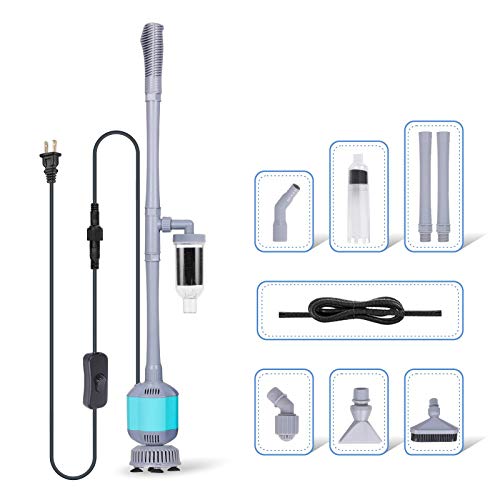
hygger Electric Gravel Cleaner 5-in-1
$35.99 on Amazon
Powered vacuum and water changer for large, messy goldfish tanks.
Tankmates
The best tankmates for goldfish are other goldfish of a similar body type. Pair fancies with fancies so slow swimmers are not outcompeted for food by fast commons, and give the group enough space. Avoid mixing goldfish with tropical community fish, because the temperature needs do not match and goldfish may eat or nip smaller species. Some keepers add hardy coldwater companions like white cloud mountain minnows in large setups, but goldfish only tanks are the simplest and safest. Whatever you keep, check the load with the stocking calculator so the tank is not overstocked.
Common problems and health
Most goldfish health issues come from poor water quality in undersized tanks, so your first response to any symptom is a water test and a water change. Swim bladder disorder, where a goldfish floats, sinks, or swims sideways, is common in round bodied fancies and is often diet related; feeding sinking food and offering a deshelled pea can help. Ich shows as white spots and is treatable, while fin rot follows dirty water and clears with clean conditions. Fancy goldfish are prone to injury from sharp decor and to eye and wen infections, so keep the tank smooth and the water pristine. For ongoing illness, consult a local fish store or aquatic vet, as this guide is educational only.
Breeding
Goldfish breed readily in spring conditions, often triggered by a gradual rise in temperature after a cooler period, and males chase females to release eggs onto plants or spawning mops. The eggs and fry are tiny and need their own grow out space, and a single spawn can produce hundreds of fry. For most keepers breeding happens by accident in a pond rather than on purpose, and raising the fry is a substantial project that requires extra tanks and careful feeding.
The bottom line
Goldfish are hardy, friendly, and genuinely long lived when you respect two facts: they get big and they make a lot of waste. Give fancies 20 gallons and up, give commons and comets 75 gallons or a pond, keep the water cool at 65 to 72F, over filter heavily, and stay on top of water changes. Do that and a goldfish becomes a pet you keep for a decade or two. Plan it properly with our minimum tank size calculator, aquarium volume calculator, and stocking calculator.
Aquarium Setup & Maintenance Planner
Stocking planner, water-test log, cycling tracker, maintenance schedule, and more, in one printable planner that keeps your tank on track.
Frequently Asked Questions
How big a tank does a goldfish really need?
Far bigger than most kits suggest. A single fancy goldfish needs about 20 gallons to start, plus roughly 10 gallons for each additional fancy. Slim bodied common and comet goldfish grow much larger and faster, so they need 75 gallons or more, or really a pond. The goldfish bowl is a myth: it cannot hold the water volume or filtration that these heavy waste producers require.
Do goldfish need a heater?
No, in most homes goldfish do not need a heater. They are coldwater fish that thrive at about 65 to 72F, which is normal room temperature in a heated home. Avoid tropical temperatures, which speed their metabolism and shorten their lives. The one thing they cannot tolerate is rapid swings, so keep the tank away from drafty windows and heat vents that cause sudden changes.
Why is goldfish water always cloudy or dirty?
Goldfish are messy, high bioload fish that eat constantly and produce a lot of waste, so undersized tanks and weak filters cannot keep up. The fixes are a large tank, strong over filtration with turnover of about 4 to 10 times the tank volume per hour, regular gravel vacuuming, and weekly water changes. If the water stays cloudy, the tank is almost always overstocked or the filter is too small.
How long do goldfish live?
Properly housed goldfish are long lived pets. Fancy goldfish commonly reach 10 to 15 years, and slim bodied common and comet goldfish can live 20 years or more, especially in ponds. The short lifespans people associate with goldfish come almost entirely from bowls and tiny tanks with poor water quality. Give them space, strong filtration, clean water, and a good diet, and they become a decade long commitment.
Can goldfish live with tropical fish or bettas?
Generally no. Goldfish are coldwater fish that prefer 65 to 72F, while bettas and most community fish need tropical temperatures around 78F, so their needs do not overlap. Goldfish also produce heavy waste and may nip slow tankmates or eat small ones. The best companions for goldfish are other goldfish of a similar body type, housed in a tank large enough for all of them.
What should I feed goldfish?
Use a quality goldfish specific food as the staple, ideally sinking pellets or gel food rather than floating flakes, since gulping at the surface makes fancy goldfish swallow air and can trigger swim bladder problems. Supplement with blanched vegetables like peas, spinach, or zucchini, and occasional protein. Feed small amounts once or twice a day, only what they finish in a couple of minutes, because overfeeding fouls the water quickly.
Planning or running a tank?
Use our free calculators and guides to get every number right.
Aquarium Planner: $39