How to Control Aquarium Algae
Algae thrive on light plus nutrients. Learn the common types, what really causes them, and the proven fix: cut the photoperiod, manage nutrients, and balance.
Aquarium algae grow for one simple reason: there is more light and more nutrients than your plants and livestock can use. Control those two inputs, shorten your lighting period and keep nutrients in check, and algae lose their fuel. Snails, shrimp, and scrubbing manage the symptoms, but balance is the real cure.
Every aquarium gets some algae, and a little is perfectly normal. The goal is not a sterile, algae-free tank; it is a balanced system where algae stay minor and your plants and fish thrive. Once you understand the light-plus-nutrients equation, every type of algae becomes a solvable puzzle.
Algae Control Tools
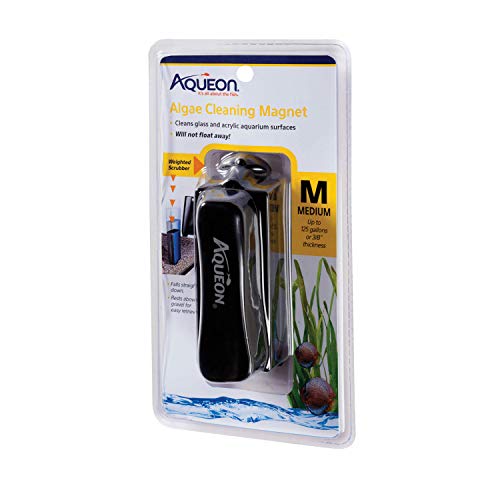
Cleans algae off the glass from outside the tank, no wet hands required.

Swimming Creatures Nerite Snails (6 Pack)
Tireless grazers that eat green film and diatoms without breeding in freshwater.
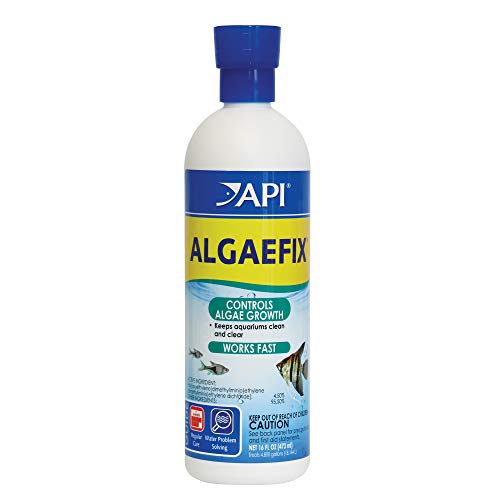
Liquid treatment that helps control many common algae types in freshwater tanks.

MICROBE-LIFT Algaway Algae Remover
Algaecide for freshwater aquariums to knock back stubborn outbreaks.
The five algae types you will meet
Green algae (spot and film)
The most common and most manageable type. Green spot algae form hard dots on glass and slow-growing leaves, while green film coats the glass in a thin sheet. Both are normal and easy to wipe away. Persistent green algae point to too much light or excess nutrients.
Brown algae (diatoms)
The classic new-tank algae. Brown, dusty diatoms appear in the first few weeks as the tank stabilizes and the nitrogen cycle matures. They feed on silicates and usually fade on their own. Wipe them off and let the tank settle; this is a patience problem, not a chemical one.
Hair and thread algae
Long, stringy green strands that tangle around plants and hardscape, driven by excess nutrients and light, especially in planted tanks with imbalanced fertilization. Remove it manually by twirling it onto a toothbrush, then correct the balance.
Black beard algae (BBA)
Dark, fuzzy tufts on plant edges and equipment, linked to unstable CO2 and high flow with excess nutrients. The toughest type to remove, BBA responds to stable CO2, spot treatment, and dedicated grazers over time.
Green water
A free-floating bloom that turns the entire tank cloudy green. Because the cells float, scrubbing does nothing. It is driven by strong light, often direct sun, plus high nutrients, and it responds to a blackout, a UV sterilizer, and fixing the inputs.
The root causes: light plus nutrients
Strip away the species names and every algae problem comes down to the same equation. Algae need light to photosynthesize and nutrients to grow. Give them too much of either and they bloom.
| Input | Where it comes from | How to reduce it |
|---|---|---|
| Excess light | Long photoperiod, direct sun, oversized fixture | 6 to 8 hour timer, move tank from window, dim light |
| Excess nitrate | Overfeeding, overstocking, few water changes | Feed less, stock lighter, change water regularly |
| Excess phosphate | Fish food, tap water, decaying matter | Remove waste, use phosphate-aware media if needed |
| Waste buildup | Uneaten food, debris in substrate and filter | Vacuum substrate, clean filter, remove dead leaves |
High nitrate is one of the biggest algae drivers, and lowering it with water changes is one of the most effective steps you can take. Our water change calculator sizes a change to hit a target nitrate level, which directly starves algae of nutrients.
The fix, step by step
- Reduce the photoperiod. Put your light on a timer for 6 to 8 hours. This single change solves many algae problems on its own.
- Block direct sunlight. Move the tank away from windows; sun is uncontrollable and fuels green water fast.
- Cut nutrients at the source. Feed only what fish finish in a couple of minutes, and avoid overstocking.
- Do consistent water changes. Removing nitrate and phosphate weekly keeps the nutrient side of the equation low.
- Add a cleanup crew. Nerite snails, amano shrimp, and otocinclus graze surfaces continuously and reduce manual work.
- Scrub and remove manually. A magnetic scraper on the glass and a toothbrush for hair algae give instant results before each water change.
- Aim for balance, not zero. In planted tanks, healthy fast-growing plants outcompete algae for nutrients, so thriving plants are your best long-term defense.
Why patience and balance beat chemicals
Algaecides can knock back a bad outbreak, and they have their place, but they treat the symptom rather than the cause. If you kill algae chemically while leaving the light and nutrients unchanged, it simply returns. Worse, a sudden die-off of green water can cloud the tank and stress fish. Use chemical controls as a short-term assist while you fix the real inputs, never as a permanent crutch.
In planted tanks running pressurized CO2, instability is a major BBA trigger, so dialing in steady CO2 with our CO2 calculator is part of the solution. For everything that feeds algae, understanding the nitrogen cycle shows you exactly where those nutrients come from.
Keep it balanced for good
Algae control is not a one-time battle, it is a steady routine: timed lights, measured feeding, regular water changes, and a working cleanup crew. Get those four right and algae fade into the background where they belong. Use the aquarium unit converter to keep your dosing and volumes accurate, and browse the Water and Care hub for more on keeping your water in balance.
Aquarium Setup & Maintenance Planner
Stocking planner, water-test log, cycling tracker, maintenance schedule, and more, in one printable planner that keeps your tank on track.
Frequently Asked Questions
What causes algae in an aquarium?
Algae grow when light and nutrients are both abundant. Excess light comes from running the tank lights too long, placing the tank in direct sun, or using an overly bright fixture. Excess nutrients come from overfeeding, overstocking, infrequent water changes, and accumulated waste that raises nitrate and phosphate. Algae are not a disease or a sign of dirty water alone; they are simply organisms taking advantage of free light and food. Remove either input and algae starve.
How do I get rid of green algae on the glass?
Green spot and green film algae on glass are normal and easy to manage. Wipe the glass with a magnetic scraper or algae pad before each water change, then address the cause by shortening your lighting period to 6 to 8 hours and keeping nutrients in check with regular water changes. A cleanup crew of nerite snails grazes the glass continuously. If green algae return fast, your light is too long or too strong, or nutrients are high.
What is the brown algae in my new tank?
Brown algae are usually diatoms, which are extremely common in new tanks during the first few weeks. They feed on silicates and excess nutrients while the tank stabilizes and the nitrogen cycle matures. Diatoms typically fade on their own once the system balances. You can wipe them off easily, and nerite snails and otocinclus catfish eat them readily. Patience plus normal maintenance usually resolves a diatom bloom without any chemicals.
How do I get rid of black beard algae?
Black beard algae (BBA) appear as dark, fuzzy tufts on plant edges, hardscape, and equipment, and they thrive in unstable CO2 and high-flow areas with excess nutrients. The most effective fixes are stabilizing CO2 in planted tanks, improving the nutrient balance, and spot-treating affected surfaces with liquid carbon or hydrogen peroxide outside the tank. Amano shrimp and Siamese algae eaters will graze it. BBA is stubborn, so consistency over weeks is key.
Why do I keep getting green water?
Green water is a free-floating algae bloom that turns the whole tank pea-soup green, and it is driven by excess light and nutrients, often direct sunlight plus high nitrate. Because the algae float freely, scrubbing surfaces does nothing. The reliable fixes are a blackout period of several days, a UV sterilizer that kills the suspended cells, and cutting the light and nutrient inputs that caused it. Large water changes help, but the bloom returns until the cause is fixed.
Will algae eaters solve my algae problem?
A cleanup crew helps a great deal but cannot fix an underlying imbalance alone. Nerite snails, amano shrimp, otocinclus, and Siamese algae eaters graze algae continuously and keep surfaces clean, which buys you time and reduces manual scrubbing. However, if light is excessive or nutrients are sky-high, algae will outgrow any cleanup crew. Use algae eaters as one part of a plan that also controls light, feeding, and water changes.
Planning or running a tank?
Use our free calculators and guides to get every number right.
Aquarium Planner: $39