Aquarium pH: What Your Fish Need
Most freshwater fish thrive at pH 6.5 to 7.5, but stability beats chasing a number. Learn ideal ranges, what raises and lowers pH, and the risk of chemicals.
Most freshwater aquarium fish thrive at a pH between 6.5 and 7.5, but the single most important rule is that stability beats chasing a perfect number. A steady pH that sits slightly outside the ideal range is far healthier for your fish than a tank that swings up and down while you dose chemicals to hit a textbook value.
pH measures how acidic or basic your water is on a scale from 0 to 14, where 7 is neutral. Below 7 is acidic, above 7 is basic. It influences fish health, the toxicity of ammonia, and how well your beneficial bacteria work. The good news is that for most keepers, the right answer is simpler than the internet makes it sound: test it, keep it stable, and stock fish that suit your water.
pH Testing and Natural Adjusters

Liquid drop test reads freshwater pH from 6.0 to 7.6 for accurate, repeatable monitoring.

API Freshwater Master Test Kit
Tests pH plus ammonia, nitrite, and nitrate so you can read pH in full context.
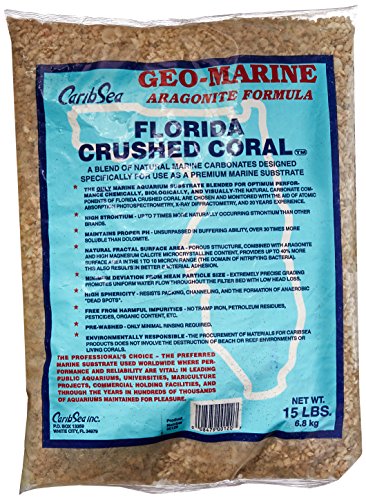
Slowly raises and buffers pH upward, ideal for cichlid tanks or soft, acidic tap water.

SunGrow Catappa Indian Almond Leaves
Release tannins that gently lower pH and soften water for bettas and blackwater setups.
Ideal pH ranges by fish type
Different fish evolved in different waters, so the best pH depends on what you keep. Use these ranges as targets, but remember that captive-bred fish are often more adaptable than their wild ranges suggest.
| Fish type | Ideal pH | Notes |
|---|---|---|
| Community tank (mixed) | 6.5 - 7.5 | Safe default for tetras, corydoras, danios |
| Betta | 6.5 - 7.5 | Tolerant; slightly soft and acidic is fine |
| Angelfish and discus | 6.0 - 7.0 | Prefer soft, acidic blackwater conditions |
| Livebearers (guppies, mollies) | 7.0 - 8.0 | Like harder, slightly basic water |
| African cichlids | 7.8 - 8.5 | Need hard, alkaline water and buffering |
| Goldfish | 7.0 - 8.0 | Hardy across a wide range when stable |
Why stability beats chasing a number
This is the lesson that saves the most fish. Aquarium fish acclimate to steady conditions, even when the pH sits a little outside their published ideal. What they cannot handle is a fast change. A swing of half a point or more in a short period causes pH shock, a stress response that damages gills and can be fatal within hours.
That is exactly why bottled pH adjusters cause so much trouble. Keepers test, see 7.6, dose a product to reach 7.0, then the water drifts back up over a day or two. The next dose repeats the cycle. The fish endure a constant rollercoaster, which is worse than simply living in a stable 7.6. If your tap water reads a consistent pH, the easiest path is to stock fish that suit it and leave the number alone.
What raises and lowers pH
Things that raise pH (carbonate sources)
- Crushed coral and aragonite dissolve slowly to raise and buffer pH, perfect for African cichlids or naturally soft tap water.
- Limestone, seashells, and certain rocks add carbonates the same way.
- Surface agitation off-gasses dissolved CO2, which nudges pH upward over time.
Things that lower pH (acids and tannins)
- Driftwood and botanicals release tannins that gently acidify water and tint it the amber color of blackwater habitats.
- Catappa (Indian almond) leaves and peat are classic soft-water tools loved by betta and shrimp keepers.
- CO2 injection in planted high-tech tanks lowers pH during the lighting period, then it rises overnight as CO2 off-gasses.
If you run pressurized CO2, our CO2 calculator helps you relate pH and KH to your dissolved CO2 level, which is the safe way to dial in a planted tank without gassing your fish.
The danger of pH-adjusting chemicals
Bottled pH up and pH down products promise an easy fix, but they are one of the most common causes of fish loss for new keepers. The core problem is that pH stability depends on KH, your carbonate hardness, which acts as a buffer. If your KH is low, a pH adjuster can trigger a sudden, dangerous crash. If your KH is high, the chemical fights against the buffer and the pH snaps back, so you keep dosing.
Before you ever reach for a chemical, test your KH. Understanding the link between the two is essential, and we cover it in depth in GH and KH explained. In almost every case, the better answer is a slow, natural adjustment with crushed coral or botanicals, paired with regular water changes that keep your parameters consistent.
How pH connects to the nitrogen cycle
pH is not just about fish comfort. The beneficial bacteria behind the nitrogen cycle work best between roughly pH 7.0 and 8.0 and slow down below 6.5, which can stall cycling in very soft, acidic new tanks. pH also changes how toxic ammonia is, since the same ammonia reading is more dangerous at high pH. Reading your nitrate and ammonia results alongside pH gives you the full picture of your water chemistry.
A simple, safe pH routine
- Test your tap water and your tank so you know your real baseline, not a guess.
- Stock fish that suit your water rather than fighting your tap chemistry.
- Keep KH adequate so pH stays buffered and stable.
- Adjust slowly with natural materials only if a species truly requires it.
- Do consistent water changes to reset parameters and prevent drift.
When you plan those water changes, size them precisely with our water change calculator, and use the aquarium unit converter to move between gallons and liters for your real water volume. For everything else about water chemistry, visit the Water and Care hub.
Aquarium Setup & Maintenance Planner
Stocking planner, water-test log, cycling tracker, maintenance schedule, and more, in one printable planner that keeps your tank on track.
Frequently Asked Questions
What is the ideal pH for a freshwater aquarium?
Most community freshwater fish thrive between pH 6.5 and 7.5, which is why that range is the safe default for a mixed tank. Some species prefer the edges: African cichlids like 7.8 to 8.5, while many South American tetras and bettas favor slightly acidic 6.0 to 7.0. The exact number matters less than keeping it stable, because sudden swings stress fish far more than a steady reading just outside the textbook ideal.
Why is pH stability more important than the exact number?
Fish acclimate to a steady pH, even one a little outside their ideal range, because their bodies adjust to consistent conditions. A rapid swing, such as 7.8 dropping to 6.5 overnight, causes pH shock that can be fatal. This is why chasing a perfect number with chemicals is risky. A stable 7.6 is far safer than a tank that bounces between 6.8 and 7.4 as you dose products to hit 7.0.
What naturally raises or lowers aquarium pH?
Crushed coral, aragonite, limestone, and seashells slowly raise and buffer pH upward because they dissolve carbonates into the water. Driftwood, peat, catappa (Indian almond) leaves, and botanicals release tannins that gently lower pH. CO2 injection in planted tanks lowers pH during the day. Surface agitation that off-gasses CO2 nudges pH up. These slow, natural methods are far safer than bottled pH adjusters.
Are pH-adjusting chemicals safe to use?
Bottled pH up and pH down products are generally a bad idea for beginners because they change pH fast and temporarily, then the tank drifts back, creating the exact swings that harm fish. If your KH (carbonate hardness) is low, these chemicals can cause dangerous crashes. It is safer to either keep fish suited to your tap water pH or adjust slowly with natural materials and proper buffering.
Does pH affect the nitrogen cycle?
Yes. The beneficial bacteria that drive the nitrogen cycle work best between roughly pH 7.0 and 8.0 and slow down significantly below 6.5. At very low pH, nitrification can stall, which is one reason new tanks with soft, acidic water sometimes cycle slowly. Ammonia is also more toxic at higher pH, so understanding pH helps you read your water test results in context.
How often should I test aquarium pH?
Test pH weekly in an established tank, and more often when something changes: a new tank still cycling, after adding buffering rock or driftwood, when starting CO2, or if fish look stressed. Always test at the same time of day, since pH naturally drifts over 24 hours in planted and CO2 tanks. Testing your tap water and aged source water also tells you what pH your fish actually live in.
Planning or running a tank?
Use our free calculators and guides to get every number right.
Aquarium Planner: $39