Guppy Care: Tank Size, Breeding & Diet Guide
Guppy care made simple: a heated 10 gallon tank, 72 to 82F, the right male to female ratio, managing fast breeding, diet, tankmates, and common health issues.
Guppies are one of the best beginner fish: colorful, active, peaceful, and forgiving. Keep them in a heated tank of at least 10 gallons at 72 to 82F. They are livebearers that breed readily, so keep more females than males to spread out mating attention, and expect a lifespan of about 2 years. They are easy to keep, but their rapid breeding means you should plan for a growing population from day one.
This guide covers tank setup, water parameters, the all important male to female ratio, how to manage their prolific breeding, diet, tankmates, and health. If you are planning a community tank, start with the minimum tank size calculator, confirm real water volume with the aquarium volume calculator, and keep the load sensible with the stocking calculator.
Guppy care at a glance
| Care factor | Detail |
|---|---|
| Minimum tank size | 10 gallons |
| Adult size | Males about 1.5 inches, females up to 2.5 inches |
| Temperature | 72 to 82F |
| pH | 6.8 to 7.8 |
| Hardness | Moderate to hard, roughly 8 to 20 dGH |
| Diet | Omnivore: tropical flakes or guppy pellets plus protein treats |
| Temperament | Peaceful, active, social |
| Lifespan | About 2 years |
| Grouping | Keep in groups; more females than males (about 2 to 3 females per male) |
Tank setup
Ten gallons is a practical minimum for a guppy group, and a larger tank is easier to keep stable and gives you more room for the fry that will inevitably appear. Guppies are not demanding about decor, but they appreciate live or silk plants, especially floating and bushy species, which give fry hiding spots and break up sight lines. A gentle filter keeps the water clean without buffeting these small fish, and a tight fitting lid is wise because guppies can jump.
Heater, filter, and cycling
Guppies are tropical, so use a small adjustable heater to hold 72 to 82F and verify it with a thermometer. A simple sponge or hang on back filter provides biological filtration and gentle flow. As with any fish, never add guppies to an uncycled tank; the nitrogen cycle needs about 4 to 6 weeks fishless to grow the beneficial bacteria that keep ammonia and nitrite at zero. Adding fish too early causes new tank syndrome and avoidable losses.
Water parameters
Guppies do best at 72 to 82F with a pH from 6.8 to 7.8, and they actually prefer moderately hard water, which suits most tap water well. Stability matters more than perfection, so pick conditions you can hold and avoid sudden swings. Test for ammonia, nitrite, and nitrate, aiming for 0 ppm ammonia and nitrite with nitrate kept low through regular partial water changes. Always dechlorinate tap water before adding it. If your water is very soft, see our guide to GH and KH to understand why guppies appreciate a little hardness.
Diet
Guppies are omnivores that do well on variety. A quality tropical flake or small guppy pellet makes a fine daily staple, and you can supplement with frozen or freeze dried brine shrimp and daphnia for color and condition, plus the occasional blanched vegetable. Feed small amounts once or twice a day, offering only what the group clears in a couple of minutes. For fry, frequent tiny meals of finely crushed flake and baby brine shrimp drive fast, healthy growth.
Guppy keeping essentials

Tetra TetraMin Tropical Flakes
$13.97 on Amazon
Nutritionally balanced daily staple flake for guppies and community fish.

Hikari Tropical Fancy Guppy Food
$6.33 on Amazon
Small pellet formulated specifically for guppies and other livebearers.

Ultra Fresh Royal Guppy Mignon Pellet
$9.19 on Amazon
Protein rich, color enhancing guppy pellet for variety in the diet.
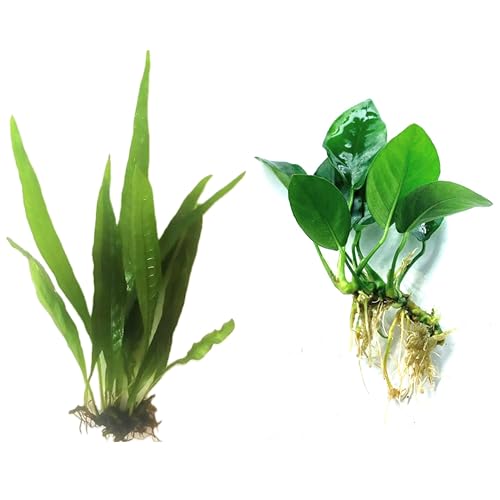
Marcus Fish Tanks Java Fern & Anubias Plant Bundle
$13.97 on Amazon
Hardy live plants that give guppy fry cover and shelter.
Breeding
Guppies are livebearers, meaning females give birth to fully formed, free swimming fry rather than laying eggs, and they breed so easily that a mixed group will produce fry without any effort on your part. A single mating lets a female store sperm and deliver several batches, roughly one a month, so a tank can fill up fast. To manage this, keep more females than males, provide dense plant cover so some fry survive and the rest are naturally thinned by adults, and rehome extras to a local fish store. If you want to raise more fry, a breeding box or a separate, well planted nursery tank protects them. If you want to avoid breeding entirely, keep a male only group.
Tankmates
Guppies are peaceful and make excellent community fish. Good companions include other small, calm species such as neon and cardinal tetras, harlequin rasboras, corydoras catfish, mollies, platies, and snails. Avoid fin nippers like tiger barbs, which target the guppies' flowing tails, and avoid large or aggressive fish that may eat them. Because guppies breed and add to the bioload, recheck your numbers with the stocking calculator as the population grows.
Common problems and health
Guppies are hardy, but most problems trace back to water quality or temperature swings, so a water test is always the first step. Ich, white salt like spots, often follows a chill or stress and is treatable, especially with stable warmth. Fin rot and fin clamping usually point to poor water quality and improve with clean conditions. Velvet, a fine gold dust sheen, also appears in stressed fish. Heavily inbred fancy strains can be more delicate than mixed guppies, so buy from a healthy source and quarantine new arrivals when possible. For persistent illness, consult a local fish store or aquatic vet, since this guide is educational and not veterinary advice.
The bottom line
Guppies reward beginners with bright color, constant activity, and easy care, as long as you give them a heated, cycled 10 gallon tank, hold steady 72 to 82F water, keep more females than males, and plan for fast breeding. Stay on top of water changes and a sensible stocking level, and a guppy tank becomes one of the most rewarding ways to start the hobby. Plan your setup with our minimum tank size calculator, aquarium volume calculator, and stocking calculator.
Aquarium Setup & Maintenance Planner
Stocking planner, water-test log, cycling tracker, maintenance schedule, and more, in one printable planner that keeps your tank on track.
Frequently Asked Questions
How many guppies can I keep in a 10 gallon tank?
A 10 gallon tank is a sensible starting point for a small guppy group, often around five or six adults, but the number depends on filtration, maintenance, and whether they are breeding. Because guppies breed so quickly, populations can climb fast, so plan for growth. Use a stocking calculator to match your numbers to your tank, and keep more females than males to reduce harassment.
Do guppies need a heater?
In most homes, yes. Guppies are tropical livebearers that do best at 72 to 82F, and while they tolerate a range, stable warmth keeps them active, colorful, and disease resistant. Room temperature often dips below their comfort zone, especially at night, so a small adjustable heater sized to your tank holds steady conditions. Avoid temperature swings, which stress guppies and can trigger illness like ich.
Why do I have so many baby guppies?
Guppies are livebearers that breed extremely readily, giving birth to free swimming fry rather than laying eggs, and a single female can produce a new batch roughly every month after one mating. The fry that survive grow up and breed too, so populations multiply quickly. To manage numbers, keep more females than males, provide plant cover, accept that some fry will be eaten, or rehome extras to a local fish store.
How long do guppies live?
Guppies are short lived fish, typically living about 2 years, sometimes a little more with excellent care. Their fast life cycle is part of why they breed so prolifically. The biggest factors in a guppy living its full span are stable warm water, a cycled tank, a varied diet, and not overcrowding the tank. Heavily inbred fancy strains may be a little more fragile than hardy mixed guppies.
Should I keep more male or female guppies?
Keep more females than males, ideally about two or three females per male. Males constantly pursue females to mate, and too many males relative to females can stress and exhaust the females. A ratio favoring females spreads out that attention. If you want to avoid breeding entirely, keeping a male only group is an option, though males may show some aggression toward each other as they compete.
What do guppies eat?
Guppies are omnivores that thrive on variety. Use a quality tropical flake or small guppy pellet as the daily staple, and supplement with frozen or freeze dried treats like brine shrimp and daphnia, plus occasional blanched vegetables. Feed small amounts once or twice a day, only what they finish in a couple of minutes. Fry grow fastest on frequent tiny meals of crushed flake and baby brine shrimp.
Planning or running a tank?
Use our free calculators and guides to get every number right.
Aquarium Planner: $39