Harlequin Rasbora Care: Tank Size & Schooling
Harlequin rasbora care guide: keep a peaceful school of 6 or more in a 15 to 20 gallon tank at 73 to 82F in soft-ish water, plus diet, tankmates, and health tips.
Harlequin rasboras are among the best community fish in the hobby: peaceful, hardy, and beautifully colored, with a warm copper body and a distinctive black triangle near the tail. Keep them in a tank of at least 15 to 20 gallons, in a school of six or more (eight to ten is better), at 73 to 82F in soft-ish, slightly acidic water. They grow to about 2 inches and are completely peaceful. A tight, well-fed school drifting through a planted tank is one of the most relaxing sights in fishkeeping, and these fish are forgiving enough for confident beginners.
This guide covers school size, tank setup, water parameters, diet, tankmates, health, and breeding. Plan your build with the minimum tank size calculator, confirm real water volume with the aquarium volume calculator, and fit your school sensibly with the stocking calculator.
Harlequin rasbora care at a glance
| Care factor | Detail |
|---|---|
| Minimum tank size | 15 to 20 gallons |
| Adult size | About 2 inches |
| Temperature | 73 to 82F |
| pH | 6.0 to 7.5 (soft, slightly acidic) |
| Hardness | Soft to moderately soft, roughly 2 to 12 dGH |
| Diet | Omnivore: micro pellets and small flakes plus tiny protein treats |
| Temperament | Peaceful and social |
| Lifespan | About 5 to 6 years |
| Grouping | Schooling: keep 6 or more, ideally 8 to 10+ |
Tank setup
Although harlequin rasboras are small, a proper school needs swimming room and the stable water that a 15 to 20 gallon tank provides, so resist the urge to crowd them into a tiny nano. They come from shaded, plant-rich streams, so they look and behave best in a densely planted tank with driftwood, some floating plants to diffuse the light, and a darker substrate. That setup intensifies their copper color and gives these social fish the security to swim out in the open. A longer tank suits the school well and leaves clear lanes through the middle of the water where they like to gather.
Heater, filter, and cycling
Hold a steady 73 to 82F with a small adjustable heater. Harlequins are gentle swimmers that dislike strong current, so pair the heater with a filter that provides reliable, calm flow rather than a torrent. Never add rasboras to an uncycled tank. Complete the nitrogen cycle over about four to six weeks to grow beneficial bacteria before they arrive, and add the school only after the tank has matured to avoid new tank syndrome, which hits small, sensitive fish hardest.
Water parameters
Harlequin rasboras want soft to moderately soft, slightly acidic, warm water, so target 73 to 82F, a pH around 6.0 to 7.5, and soft water. They are more adaptable than many soft-water fish and will settle into a wide range once acclimated, but they reward you with the best color in true soft-water conditions. Driftwood, leaf litter, and botanicals release tannins that gently lower pH and tint the water, mimicking their native habitat. Keep ammonia and nitrite at 0 ppm, control nitrate with regular partial water changes, and consult our GH and KH guide if your tap water is very hard.
Diet
Harlequins are omnivores with small mouths, so the staple should be a micro pellet or finely crushed flake they can comfortably swallow. Supplement several times a week with small frozen or freeze-dried foods like daphnia, cyclops, and baby brine shrimp, which deepen their warm copper tone and keep them in peak condition. Feed small portions once or twice a day, only what the school clears in a couple of minutes, since excess food quickly degrades the soft water these fish prefer.
Harlequin rasbora tank essentials

Hikari Hikari Tropical Micro Pellets
Tiny pellets made for the small mouths of rasboras and tetras.

Hikari Hikari Semi-Floating Micro Pellets
Slow-sinking micro pellets ideal for mid-water feeders.

Generic Live Aquarium Plant Bundle
Easy beginner plants to build the planted look harlequins love.
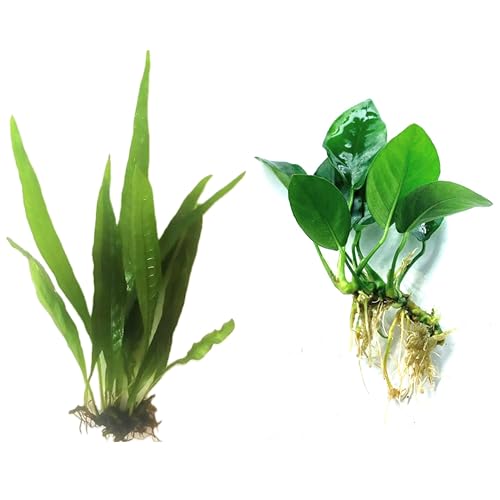
Marcus Fish Tanks Java Fern & Anubias Bundle
Low-light, low-maintenance plants for cover and security.
Tankmates
Harlequin rasboras are peaceful and ideal for calm, warm community tanks. Excellent companions include other small rasboras, neon and cardinal tetras, Corydoras catfish, kuhli loaches, dwarf and pearl gouramis, and dwarf shrimp in well-planted tanks. They also make graceful dither fish that help shyer species feel confident enough to come out. Avoid large or aggressive fish that will eat them and avoid fin-nippers like tiger barbs, which will harass them. Because a school plus tankmates adds up quickly, confirm your numbers with the stocking calculator.
Common problems and health
Harlequin rasboras are hardy, so most health issues come from unstable or poor water quality, which makes a water test the first step whenever something looks off. Ich, seen as white spots, is the most common problem and treatable with prompt action and stable warmth. Fin rot and faded color usually follow stress or dirty water and clear once conditions improve. A proper school is itself preventive medicine, since isolated rasboras stress easily and lose color. Keep the tank cycled, the school large, and the water clean, and these fish stay remarkably healthy. For persistent illness, consult a local fish store or aquatic vet, since this guide is educational only.
Breeding
Harlequin rasboras can be bred at home, though they are a moderate challenge. Unusually, they spawn by depositing eggs on the underside of broad leaves like those of cryptocoryne or Amazon sword, rather than scattering them. Success requires very soft, acidic water in a dedicated, dimly lit breeding tank and a conditioned pair or small group. After spawning, remove the adults, since they eat the eggs. The eggs hatch in about a day and the tiny fry need infusoria or liquid fry food before graduating to baby brine shrimp. For most keepers, a thriving school is the goal rather than raising fry.
The bottom line
Harlequin rasboras deliver warm color, graceful schooling, and easygoing temperament in a package that suits both beginners and aquascapers. Give them a school of six or more in a planted, cycled tank of 15 to 20 gallons, soft-ish water at 73 to 82F, gentle flow, and peaceful tankmates, and they become a calm, glowing centerpiece. Plan it with our minimum tank size calculator, aquarium volume calculator, and stocking calculator.
Aquarium Setup & Maintenance Planner
Stocking planner, water-test log, cycling tracker, maintenance schedule, and more, in one printable planner that keeps your tank on track.
Frequently Asked Questions
How many harlequin rasboras should I keep?
Keep harlequin rasboras in a school of at least six, and eight to ten or more is even better. They are peaceful shoaling fish that feel secure and display their best color and tight, coordinated swimming only in a group. Kept in small numbers they become shy, pale, and stressed. A larger school in a planted tank is one of the most beautiful, calming displays in the hobby. Plan your group with the stocking calculator.
What size tank do harlequin rasboras need?
A school of harlequin rasboras needs at least a 15 to 20 gallon tank. While their small adult size of about 2 inches tempts people toward nano tanks, a proper school of six or more needs the swimming room and stable water that a 20 gallon provides. A larger, planted tank also lets you keep a bigger, more impressive school. Confirm a sensible footprint and stocking level with the minimum tank size and stocking calculators.
What water parameters do harlequin rasboras need?
Harlequin rasboras come from soft, slightly acidic Southeast Asian streams, so they prefer temperatures of 73 to 82F, a pH around 6.0 to 7.5, and soft to moderately soft water. They are adaptable and hardy once a tank is cycled and stable, so stability matters more than chasing an exact pH. Driftwood and botanicals that gently soften and tint the water suit them well and bring out their warm copper color.
Are harlequin rasboras good for beginners?
Harlequin rasboras are an excellent choice for beginners who have a cycled tank. They are hardy, peaceful, adaptable, and far more forgiving than many similar-sized nano fish, while still offering striking color and graceful schooling behavior. The keys to success are simple: a fully cycled tank, a school of six or more, stable soft-ish water, and calm tankmates. Get those right and they are easy, long-lasting, and a joy to watch.
What can live with harlequin rasboras?
Harlequin rasboras are peaceful and ideal for calm community tanks. Great tankmates include other small rasboras, tetras like neons and cardinals, Corydoras catfish, kuhli loaches, dwarf gouramis, peaceful bettas in the right setup, and dwarf shrimp in planted tanks. Avoid large or aggressive fish that will eat them and avoid fin-nippers like tiger barbs. Because a school plus tankmates adds up, confirm the combined bioload with the stocking calculator.
What do harlequin rasboras eat?
Harlequin rasboras are omnivores with small mouths, so feed a quality micro pellet or finely crushed flake as the daily staple, supplemented with small frozen or freeze-dried foods like daphnia, cyclops, and baby brine shrimp. This variety deepens their copper and black coloring. Feed small amounts once or twice a day, only what the school clears in a couple of minutes, to keep their soft water clean and their condition strong.
Planning or running a tank?
Use our free calculators and guides to get every number right.
Aquarium Planner: $39