Aquarium Maintenance Schedule by Frequency
A simple aquarium maintenance schedule: daily checks, weekly water changes and glass, monthly filter and gear care. Keep your tank stable with a clear routine.
A healthy aquarium needs three layers of upkeep: quick daily checks (feed, observe, confirm temperature), a weekly session (25 to 30 percent water change, test the water, clean the glass, vacuum the substrate), and monthly tasks (rinse filter media in old tank water, inspect equipment, replace consumables). Spread across these frequencies, fishkeeping maintenance is calm and predictable, not a chore.
The goal of maintenance is stability. Fish thrive on consistent water, not perfectly clean water. A steady routine keeps nitrate low, parameters even, and equipment working, which prevents the swings that stress fish and trigger disease and algae. Below is a complete schedule, the tools that make it fast, and how to right-size each task for your tank.
Tools That Make Maintenance Fast

Laifoo Gravel Vacuum Siphon (5 ft)
Siphons water and vacuums waste from substrate in one step for weekly water changes.

API Freshwater Master Test Kit
Liquid tests for ammonia, nitrite, nitrate, and pH to track water weekly.
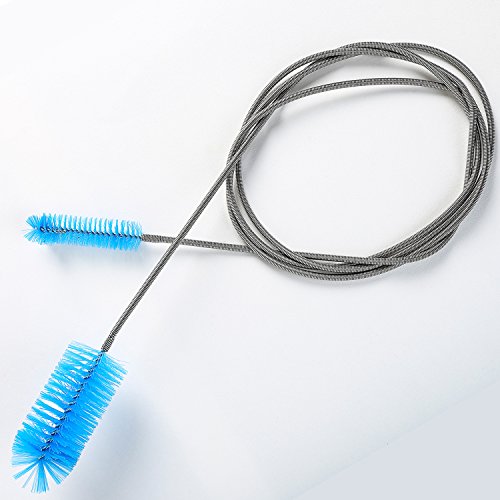
SLSON Filter Hose Cleaning Brush
Flexible double-ended brush for clearing gunk from tubing and intakes monthly.
The complete maintenance schedule
This table is the heart of the guide. Use it as a checklist and adjust frequencies to your stocking and tank size. Heavier bioloads need more frequent water changes, larger tanks need fewer.
| Frequency | Task | Why it matters |
|---|---|---|
| Daily | Feed an appropriate amount | Overfeeding is the top cause of fouled water and algae |
| Daily | Observe fish and do a head count | Catch illness, stress, or a missing fish early |
| Daily | Check the thermometer | Confirm the heater is holding a steady temperature |
| Weekly | 25 to 30 percent water change | Exports nitrate and replenishes minerals |
| Weekly | Vacuum the substrate | Removes waste and uneaten food trapped in gravel |
| Weekly | Test ammonia, nitrite, nitrate, pH | Spots problems before fish show symptoms |
| Weekly | Scrape algae off the glass | Keeps the view clear and limits algae spread |
| Weekly | Top off evaporated water | Stabilizes salinity and hardness as water evaporates |
| Monthly | Rinse filter media in old tank water | Restores flow without killing beneficial bacteria |
| Monthly | Clean intake, tubing, and impeller | Prevents clogs and keeps turnover at spec |
| Monthly | Inspect heater, lights, and seals | Catch worn gear before it fails |
| Monthly | Trim plants and replace consumables | Keeps planted tanks tidy and filtration effective |
Daily tasks (about 1 minute)
Daily care is mostly observation. Feed only what your fish finish in a couple of minutes, since uneaten food rots and spikes waste. While you feed, watch behavior: are all the fish out, eating, and swimming normally? A quick glance at the thermometer confirms the heater is working. This one-minute habit catches the majority of emergencies, like a stuck heater or a sick fish, while they are still easy to fix.
Weekly tasks (about 20 to 30 minutes)
The weekly water change is the most important thing you do for your tank. It is the only reliable way to remove nitrate, which builds up continuously and stresses fish over time.
- Test first. Record ammonia, nitrite, nitrate, and pH so you can see trends. In a mature tank, ammonia and nitrite should read zero. Rising nitrate tells you whether to change more water.
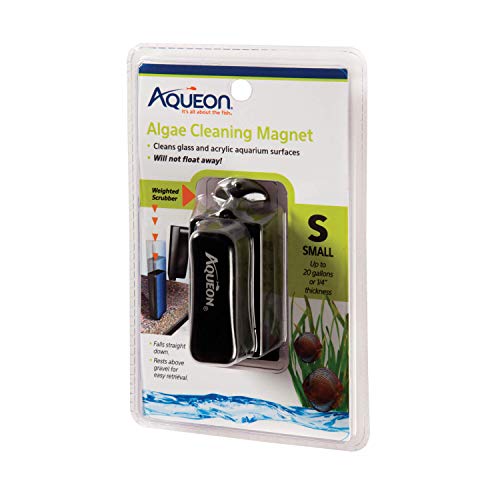
- Scrape the glass. A magnetic scraper clears algae before you change water so debris gets siphoned out.
- Vacuum and drain. Use a gravel vacuum to pull water while lifting waste out of the substrate. Aim for 25 to 30 percent. Our water change calculator gives you the exact gallons for your tank and target.
- Refill with conditioned water. Match temperature, add dechlorinator dosed to your real volume, then slowly refill.
Monthly tasks (about 20 minutes)
Once a month, give the equipment attention. Flow that has slowed is your cue the filter needs help.
- Rinse media in old tank water. Squeeze sponges and swish biomedia in a bucket of water you just removed. Never use tap water, which contains chlorine that kills the beneficial bacteria. Learn why in our beneficial bacteria guide.
- Clear the plumbing. A flexible brush clears slime and debris from intake tubes and the impeller, restoring turnover.
- Inspect gear. Check the heater for cracks, lights for dimming, and seals for wear so nothing fails unexpectedly.
Right-sizing your routine
No single schedule fits every tank. Use these signals to adjust:
- High nitrate between changes? Change more water or more often, and check that you are not overstocked with our stocking calculator.
- Bigger tank, lighter stocking? You can often stretch water changes, because more water dilutes waste and holds parameters steadier.
- Persistent algae? Cut feeding, reduce light hours, and confirm nitrate and phosphate are not feeding it.
Consistency is what separates thriving tanks from struggling ones. Build the daily, weekly, and monthly habits, keep your tools and a dedicated bucket ready, and your aquarium will stay clear, stable, and low stress for both you and your fish.
Aquarium Setup & Maintenance Planner
Stocking planner, water-test log, cycling tracker, maintenance schedule, and more, in one printable planner that keeps your tank on track.
Frequently Asked Questions
How often should I do a water change?
For most freshwater community tanks, a 25 to 30 percent water change once a week keeps nitrate in check and replenishes minerals. Heavily stocked or planted tanks may need more, lightly stocked tanks can sometimes stretch to every two weeks. Let your nitrate test guide you rather than a fixed rule. Our water change calculator turns your tank size and target into an exact gallon amount.
Do I need to test my water if everything looks fine?
Yes. Clear water can still hide rising nitrate, a pH swing, or an ammonia spike from a hidden dead fish or overfeeding. A weekly test of ammonia, nitrite, nitrate, and pH catches problems before fish show symptoms. Testing is cheap insurance, and once a tank is mature and stable you can settle into a quick weekly check rather than daily panic testing.
How often should I clean my filter?
Rinse filter media about once a month, or when flow noticeably slows. Always rinse it in old tank water you removed during a water change, never under the tap, because chlorine and temperature shock kill the beneficial bacteria living in the media. Replace mechanical pads only when they fall apart, and never swap all media at once or you reset your biological filtration.
What daily aquarium tasks are actually necessary?
Daily care is light: feed an appropriate amount, watch the fish for normal behavior and appetite, and glance at the thermometer to confirm the heater is holding temperature. A quick head count and a look for anything unusual takes under a minute. Catching a sick or missing fish, a stuck heater, or a failed filter early prevents most aquarium emergencies before they spiral.
Should I clean the whole tank at once?
No. A full teardown that scrubs everything and replaces all the water destroys the beneficial bacteria your tank depends on and can trigger a mini cycle that harms fish. Maintenance is about partial, routine upkeep: small water changes, light substrate vacuuming, and gentle media rinsing. The tank should never be emptied and deep cleaned unless you are tearing it down for a specific reason.
How do I keep maintenance from feeling overwhelming?
Break it into a schedule by frequency so no single session is huge. A few minutes daily, a focused 20 to 30 minute weekly session for water changes and glass, and a short monthly filter and gear check spread the work out. Keeping dedicated tools and a bucket ready makes each task faster. A consistent rhythm beats occasional marathon cleanups every time.
Planning or running a tank?
Use our free calculators and guides to get every number right.
Aquarium Planner: $39