Freshwater vs Saltwater Aquarium: Which to Pick
Freshwater vs saltwater aquariums compared on cost, difficulty, maintenance, and livestock, so you can choose the right tank for your budget and experience.
Freshwater aquariums are cheaper, easier, and more forgiving, making them the best choice for most beginners, while saltwater tanks cost more and demand tighter parameter control but reward you with vivid marine fish and corals. The right pick comes down to your budget, your patience, and the livestock you dream of keeping.
Both hobbies share the same foundation: a cycled tank, stable water, and steady maintenance. The differences are in cost, equipment, and how much margin for error you get. Here is an honest comparison to help you decide, with calculators to price out either path.
Gear for Either Path

A complete beginner freshwater tank with filter, LED, and preset heater.

Tetra 20-Gallon Complete Tank Kit
Bigger freshwater volume for steadier chemistry and more stocking room.
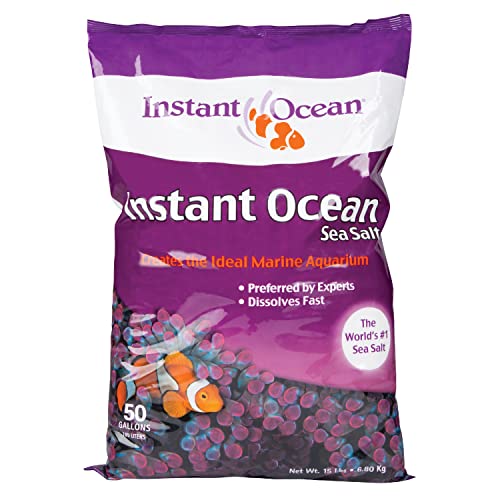
Instant Ocean Instant Ocean Sea Salt
Fast-dissolving marine salt for fish-only saltwater aquariums.

Instant Ocean Reef Crystals Reef Salt
Enriched marine salt formulated for reef tanks with corals and inverts.
At a glance: freshwater vs saltwater
| Factor | Freshwater | Saltwater |
|---|---|---|
| Startup cost | Lower | 2 to 4 times higher |
| Difficulty | Beginner friendly | Moderate to advanced |
| Margin for error | More forgiving | Less forgiving |
| Key extra gear | Filter, heater | Protein skimmer, RODI, strong light |
| Water source | Dechlorinated tap | RODI plus marine salt |
| Testing | Weekly basics | Frequent, more parameters |
| Livestock cost | Affordable | Premium |
| Livestock color | Bright, varied | Vivid, plus corals |
Cost: freshwater wins on the budget
Freshwater is far kinder to your wallet. A complete freshwater starter kit, substrate, and a few hardy fish can launch for a modest sum. Saltwater stacks on a protein skimmer, an RODI unit for pure water, marine salt mix, stronger lighting for corals, and livestock that often costs several times more per fish.
Ongoing costs differ too. Saltwater keepers buy salt mix continuously and replace RODI filter media, while freshwater keepers mostly buy conditioner and the occasional filter cartridge. Price both setups, including the recurring expenses, with our aquarium cost calculator before you decide.
Difficulty: freshwater is more forgiving
Freshwater fish, especially hardy beginner species, tolerate wider swings in temperature and chemistry, which gives a new keeper room to learn. Marine livestock lives in the very stable conditions of the ocean and reacts poorly to sudden changes in salinity, temperature, or pollutants.
That stability requirement is the real challenge of saltwater. You are not just keeping fish, you are maintaining a small slice of consistent seawater. A fish-only marine tank is more approachable than a full reef, but both ask for more precision than a freshwater community tank. New to all of it? Start with how to set up a fish tank and our best beginner fish list.
Maintenance: same rhythm, different precision
Both tank types need regular water changes, testing, and feeding. The difference is in the detail.
- Freshwater: A weekly 20 to 30 percent water change with dechlorinated tap water and basic ammonia, nitrite, and nitrate testing keeps a community tank healthy.
- Saltwater: Water changes use freshly mixed saltwater at the correct salinity, and you monitor more parameters. Reef tanks add calcium, alkalinity, and magnesium to the watch list.
For saltwater, mix new water to the right salinity every time. Our salt mix calculator tells you exactly how much salt to add for your volume and target specific gravity. Size every water change with the water change calculator, and confirm real volume using the aquarium volume calculator.
Salinity targets
Fish-only marine tanks run well at a specific gravity around 1.020 to 1.025. Reef tanks with corals aim for 1.024 to 1.026 to mirror natural seawater. Freshwater, of course, uses no salt at all. Hold these numbers steady, since rapid salinity shifts stress marine life.
Livestock: variety vs the reef
Freshwater offers enormous variety at low cost: colorful livebearers, schooling tetras, catfish, gouramis, shrimp, snails, and lush live plants. It is easy to build a beautiful, lively community on a budget.
Saltwater is where the most striking fish live, like clownfish, tangs, and wrasses, alongside corals and invertebrates that turn a tank into a living reef. That spectacle is the payoff for the extra cost and care. If corals are the goal, you are committing to reef-level lighting, flow, and dosing.
Which should you choose?
Choose freshwater if you want a lower budget, a gentler learning curve, and plenty of livestock variety, which describes most first-time keepers. Choose saltwater if vivid marine fish or a reef are your true goal and you are ready to invest more money and attention. If you go marine, start with a fish-only tank before attempting corals.
Whichever you pick, the fundamentals are identical: cycle the tank fully, stock slowly, and test your water. Read how to cycle a fish tank and the aquarium nitrogen cycle, then plan stocking with the stocking calculator. The hobby is rewarding at both salinities once you respect the water.
Aquarium Setup & Maintenance Planner
Stocking planner, water-test log, cycling tracker, maintenance schedule, and more, in one printable planner that keeps your tank on track.
Frequently Asked Questions
Is saltwater really harder than freshwater?
Generally yes, especially a reef tank. Saltwater requires mixing salt to a precise salinity, more frequent and careful parameter testing, and more expensive equipment like a protein skimmer and quality lighting. The biology is less forgiving because marine livestock tolerates smaller swings. A fish-only saltwater tank is more approachable than a reef, but a freshwater community tank remains the gentlest learning curve for a first aquarium.
How much more does a saltwater tank cost?
Expect a saltwater setup to cost roughly two to four times a comparable freshwater tank once you add a protein skimmer, RODI water, marine salt, stronger lighting, and pricier livestock. Ongoing costs are higher too, since you buy salt mix and replace RODI filters. Estimate both setups with our aquarium cost calculator before you commit, so the recurring expenses do not surprise you.
Can I switch a freshwater tank to saltwater later?
You can reuse the glass tank itself, but most other gear differs. Saltwater needs a protein skimmer, marine-appropriate lighting if you keep corals, powerheads for flow, and salt-tolerant equipment. You also start the nitrogen cycle over with live rock or marine bacteria. The tank is transferable, but plan to invest in new equipment and a fresh cycle rather than a quick swap.
What salinity should a saltwater tank be?
A fish-only saltwater tank runs well around a specific gravity of 1.020 to 1.025, while a reef tank with corals targets 1.024 to 1.026 to match natural seawater. Mix salt into RODI water and measure with a refractometer or hydrometer before adding it to the tank. Our salt mix calculator tells you exactly how much salt to add for your water volume and target salinity.
Do both tank types need to cycle?
Yes. Every new aquarium, fresh or salt, must grow beneficial bacteria to convert toxic ammonia and nitrite before livestock goes in. Freshwater tanks usually cycle in 4 to 6 weeks. Saltwater tanks often cycle using live rock or live sand, which can carry established bacteria and sometimes shortens the wait. Either way, test until ammonia and nitrite read zero before adding any fish or invertebrates.
Which is better for a first aquarium?
For most first-time keepers, freshwater is the better start. It is cheaper, more forgiving of mistakes, and needs simpler equipment, which lets you learn the nitrogen cycle and water testing without high stakes. If your heart is set on saltwater, begin with a fish-only marine tank rather than a reef. Many successful reef keepers ran a freshwater tank first to build core habits.
Planning or running a tank?
Use our free calculators and guides to get every number right.
Aquarium Planner: $39