How to Clean a Fish Tank the Right Way
Clean a fish tank without crashing it: scrape glass, vacuum substrate, do a partial water change, and rinse filter media in old tank water. No soap, never a full reset.
To clean a fish tank the right way, leave the fish in, scrape algae off the glass, vacuum the substrate while siphoning out 25 to 30 percent of the water, refill with dechlorinated water, and rinse filter media in the old tank water you removed. Never use soap, never tap-rinse your media, and never do a full teardown clean, because all three destroy the beneficial bacteria that keep your fish safe.
The biggest mistake new keepers make is cleaning too thoroughly. An aquarium is a living biological system, not a fish bowl that needs scrubbing spotless. The goal is to remove waste and algae gently while protecting the invisible bacteria colony. Here is exactly how to do it, step by step, plus the things you must never do.
The Right Tools for a Safe Clean
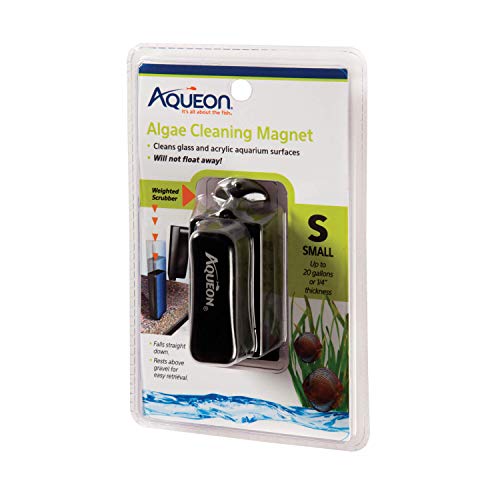
Cleans glass algae from outside the tank, no wet hands and no fish disturbance.

Laifoo Gravel Vacuum Siphon (5 ft)
Pulls water and lifts waste from substrate in one motion during a water change.

Kirecoo Stainless Algae Scraper Blade
Long-handle scraper for stubborn algae on larger or taller aquariums.
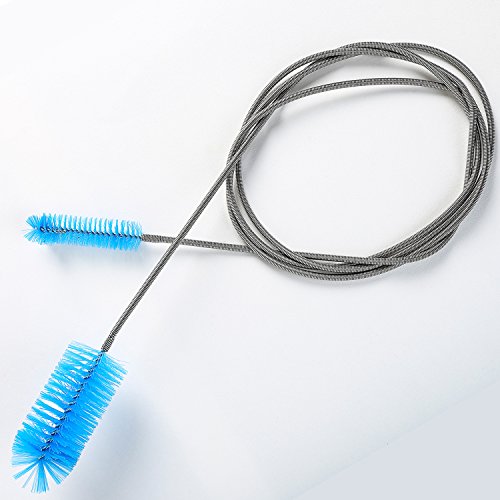
SLSON Filter Hose Cleaning Brush
Flexible double-ended brush to clear tubing and intakes without harsh chemicals.
Before you start: gather your gear
Set out everything you need so the clean goes quickly and you never reach for the wrong product.
- An algae scraper or magnet kept for aquarium use only.
- A gravel vacuum siphon and a bucket dedicated to the aquarium.
- Water conditioner to dechlorinate the replacement water.
- A thermometer to match the new water temperature.
Unplug the heater and filter if the water level will drop below them during the change, then plug them back in once you refill. Running a heater dry can crack it.
Step 1: Clean the glass
Start at the top with the water still full. Run a magnetic scraper or algae pad down the inside of the viewing glass to loosen algae. Work top to bottom so debris falls toward the substrate where you will vacuum it out next. For tough spots near the bottom, a long-handle scraper reaches without you putting your arm in. Do this first so the loosened algae leaves with the water you drain.
Step 2: Vacuum the substrate and drain water
This step does double duty: it removes waste and changes water at the same time. Push the gravel vacuum into the substrate and let the siphon pull water through the gravel, lifting trapped food and waste into the bucket. Move methodically across the bottom. In planted tanks, hover over the surface rather than digging into the roots.
- Aim to remove 25 to 30 percent of the total water in a routine clean.
- Do not chase every speck. A little detritus feeds beneficial organisms and you do not want to strip the substrate bare.
- Use our water change calculator to know exactly how many gallons 25 to 30 percent is for your tank.
Step 3: Rinse filter media in old tank water
This is the step beginners get wrong most often. Your filter media holds the beneficial bacteria that convert toxic ammonia and nitrite into far safer nitrate. To keep that colony alive while clearing clogs:
- Pour some of the water you just drained into a clean bucket.
- Gently swish and squeeze sponges and biomedia in that old tank water until the heavy gunk releases.
- Never rinse media under the tap. Chlorine and the temperature shock kill the bacteria and can crash your tank.
- Do not replace all media at once. If a pad is falling apart, swap it but leave the rest so the colony survives.
- Use a flexible brush to clear the intake tube and impeller, restoring flow.
Step 4: Refill with dechlorinated water
Prepare replacement water that matches the tank temperature, then add water conditioner dosed to your real water volume to neutralize chlorine and chloramine. Pour slowly to avoid stirring up the substrate, restart the filter and heater, and you are done. The tank may look slightly cloudy for an hour as fine particles settle, which is normal.
What NOT to do
These mistakes cause more dead fish than dirty water ever does.
| Mistake | Why it harms your tank |
|---|---|
| Using soap or glass cleaner | Residue is lethal to fish even in trace amounts |
| Rinsing media under the tap | Chlorine kills beneficial bacteria, triggering a mini cycle |
| Removing all the water | Wipes out bacteria and shocks fish with new parameters |
| Replacing all filter media at once | Resets biological filtration and spikes ammonia |
| Netting fish out for routine cleaning | Unnecessary stress and injury risk |
| Scrubbing the tank spotless | Destroys the stable biological balance fish rely on |
How often to clean
Most tanks do best with a weekly partial clean: glass, a light gravel vacuum, and a 25 to 30 percent water change. Rinse filter media about monthly, or when flow slows. Resist the urge to do more. If algae or waste builds faster than weekly cleaning handles, the real fix is usually less feeding, fewer light hours, or lighter stocking, which you can check with our stocking calculator.
Clean gently, clean partially, and protect the bacteria, and your tank will stay clear and healthy for years without ever needing a stressful full reset.
Aquarium Setup & Maintenance Planner
Stocking planner, water-test log, cycling tracker, maintenance schedule, and more, in one printable planner that keeps your tank on track.
Frequently Asked Questions
Should I take the fish out to clean the tank?
No. Routine cleaning is done with the fish in the tank. Netting fish out is stressful and risky, and a normal water change, glass scrape, and gravel vacuum never expose them to danger. The only time fish come out is a full teardown for a move or a serious problem, which is rare. For everyday cleaning, leave the fish where they are and work gently.
Can I use soap or cleaning products on my aquarium?
Never. Soap, detergent, glass cleaner, and household disinfectants leave residues that are lethal to fish even in tiny amounts. Clean the glass with an aquarium-safe scraper or magnet, and rinse any tools and buckets with plain water only. Dedicate a bucket and tools to aquarium use so they never pick up cleaning chemicals. Plain water and aquarium-specific products are all you ever need.
Why should I rinse my filter in tank water, not tap water?
Your filter media is home to the beneficial bacteria that keep ammonia and nitrite at zero. Tap water contains chlorine or chloramine that kills those bacteria on contact, and the temperature shock harms them too. Rinsing media in a bucket of water you just removed from the tank cleans away gunk while keeping the colony alive, so your biological filtration keeps working after the clean.
How much of the water should I change when cleaning?
For routine cleaning, change about 25 to 30 percent of the water. That removes accumulated nitrate and waste while keeping conditions stable for the fish. Changing too much at once, like 80 to 100 percent, swings parameters and stresses fish. If water quality is poor, do several moderate changes over a few days rather than one massive one. Our water change calculator gives exact gallons.
How often should algae be cleaned off the glass?
Scrape the viewing glass about once a week, ideally right before a water change so loosened algae gets siphoned out. Some algae is normal and even healthy in moderation. If it returns very fast, the cause is usually too much light or excess nutrients from overfeeding, so address the source rather than just scraping more often. A magnetic scraper makes weekly glass cleaning quick.
What happens if I deep clean the whole tank at once?
A full deep clean that scrubs everything, replaces all the water, and rinses media under the tap wipes out the beneficial bacteria your tank relies on. This triggers a mini cycle where ammonia and nitrite spike with nothing to remove them, which can poison your fish. Aquariums are living systems, so partial, gentle, routine cleaning is always safer than an occasional total reset.
Planning or running a tank?
Use our free calculators and guides to get every number right.
Aquarium Planner: $39