Saltwater Aquarium for Beginners
A realistic saltwater roadmap for beginners: FOWLR vs reef, RODI water, mixing salt, live rock, cycling, and the true cost of a marine tank done right.
To start a saltwater aquarium as a beginner, begin with a fish-only-with-live-rock (FOWLR) setup in a larger tank, use RODI water mixed with marine salt to a specific gravity around 1.020 to 1.026, add live rock for biological filtration, cycle the tank for 4 to 6 weeks before any livestock, and stock slowly. Save corals and a full reef for after you have run a stable marine tank.
Saltwater is rewarding and more involved than freshwater, but the difficulty is overstated when you start the right way. The fish die in marine tanks for the same reasons they do in freshwater: rushing the cycle, going too small, and inconsistent upkeep. This roadmap lays out a realistic path, the gear that matters, and an honest look at the cost.
Core Saltwater Starter Gear
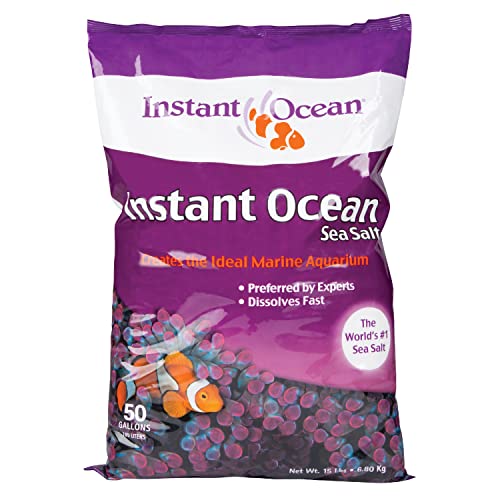
Instant Ocean Marine Sea Salt (50 gal mix)
Fast-dissolving marine salt for mixing fresh saltwater to target salinity.

Agriculture Solutions Salinity Refractometer
Measures specific gravity accurately so you mix salt to the right level.
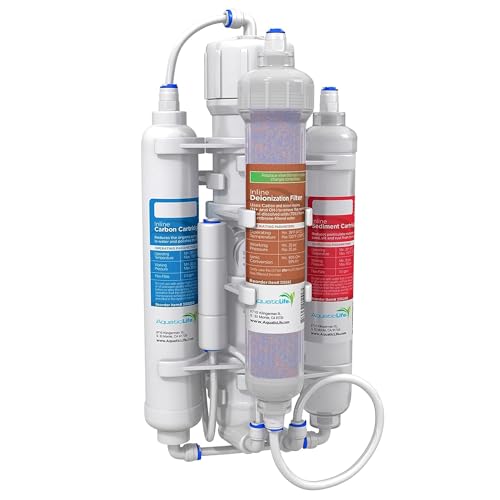
Aquatic Life RO/DI 4-Stage Filter System
Produces pure water free of nitrate, phosphate, and metals for mixing salt.

FOWLR vs reef: pick your starting point
The first decision shapes your whole budget and difficulty curve. Both are saltwater, but they are very different in demand.
| Factor | FOWLR | Reef |
|---|---|---|
| Livestock | Marine fish and live rock | Fish plus corals and inverts |
| Lighting | Basic, for viewing | Strong reef lighting required |
| Water stability | Forgiving | Demands very stable chemistry |
| Dosing | Minimal | Calcium, alkalinity, magnesium |
| Cost | Lower | Much higher |
| Best for | Beginners starting out | After running a stable marine tank |
Start FOWLR. It teaches you marine husbandry on a forgiving system, and you can upgrade lighting and add dosing later to convert into a reef. For a fuller comparison with freshwater, see our guide on freshwater vs saltwater aquariums.
Why RODI water matters
Tap water carries nitrate, phosphate, silicates, and metals that fuel nuisance algae and stress sensitive marine life. A reverse osmosis deionization (RODI) filter strips these out, so your salt mix starts from genuinely pure water. For reef tanks RODI is essential, and even FOWLR tanks benefit by avoiding many algae and water quality problems. Buying RODI water from a fish store works at first, but an RODI unit pays for itself quickly once you do regular water changes.
Mixing saltwater the right way
You never pour dry salt into the tank. You mix and test it first.
- Use a clean, dedicated container. Add RODI water, then marine salt while a powerhead circulates it.
- Let it dissolve and stabilize. Give it time, often a few hours, until the water is clear and the salt fully dissolved.
- Measure salinity. Use a refractometer to confirm specific gravity. Aim for about 1.020 to 1.026, with reef tanks toward 1.025 to 1.026.
- Match temperature to the tank before adding it during a water change.
Get the exact amount of salt for your volume and target salinity with our salt mix calculator so every batch is consistent.
Live rock: your biological filter
Live rock is porous marine rock that hosts the beneficial bacteria driving your nitrogen cycle, plus beneficial microfauna. It is the backbone of FOWLR filtration and reef stability. A common guideline is roughly one to two pounds per gallon, though aquascaping preference and rock density vary. Arrange it into an open structure with good water flow and hiding spots for fish. Cured live rock also helps seed and speed your cycle.
Cycling a saltwater tank
The marine nitrogen cycle is the same process as freshwater: beneficial bacteria convert ammonia to nitrite, then nitrite to nitrate. Live rock seeds the colony and can speed things up, but you still wait it out.
- Set up the tank with mixed saltwater, live rock, a heater, and circulation running.
- Let ammonia build or add an ammonia source, then test ammonia, nitrite, and nitrate regularly.
- The tank is cycled when ammonia and nitrite read zero and nitrate is present, usually after 4 to 6 weeks.
- Do a water change to lower nitrate, then add hardy fish slowly over the following weeks.
Never add fish or corals to an uncycled marine tank. The cycle is non-negotiable in saltwater just as it is in freshwater.
The cost reality
Saltwater costs more than freshwater, and being honest about that upfront prevents disappointment. A modest FOWLR setup can start around 400 to 800 dollars. A reef tank with quality lighting, a protein skimmer, an RODI unit, and dosing equipment easily climbs into the thousands. Ongoing costs include salt, replacement RODI cartridges, marine test kits, and supplements for reefs. Estimate your full setup and monthly costs with our aquarium cost calculator, and build the system in stages rather than all at once.
If you go reef: dosing comes next
Corals consume calcium, alkalinity, and magnesium as they grow, so a reef tank requires testing and replenishing those parameters to keep them stable. This is the biggest jump in difficulty from FOWLR to reef. When you are ready, our reef dosing calculator helps you dose the right amounts to hold your levels steady. Until then, enjoy a FOWLR tank and master the fundamentals.
Start big enough, use RODI water, mix and test your salt, build a strong live rock base, cycle fully, and stock slowly. Do those things and a saltwater aquarium becomes one of the most rewarding tanks in the hobby, even for a first-timer.
Aquarium Setup & Maintenance Planner
Stocking planner, water-test log, cycling tracker, maintenance schedule, and more, in one printable planner that keeps your tank on track.
Frequently Asked Questions
Is a saltwater aquarium too hard for a beginner?
Saltwater is more involved than freshwater, but it is very achievable for a beginner who starts patient and informed. A fish-only-with-live-rock setup in a larger tank is forgiving and a great entry point. The keys are the same as freshwater: a big enough tank for stability, a proper cycle before adding livestock, and consistent maintenance. Start with a FOWLR before attempting a full reef and you will succeed.
What is the difference between FOWLR and a reef tank?
FOWLR means fish-only-with-live-rock: marine fish, live rock for biological filtration, and no corals. A reef tank adds corals and other invertebrates, which demand stronger lighting, very stable water chemistry, and supplemental dosing of calcium, alkalinity, and magnesium. FOWLR is cheaper, more forgiving, and the recommended starting point. Many keepers begin FOWLR and later upgrade lighting and dosing to transition into a reef.
Do I really need RODI water for saltwater?
For a reef tank, yes, RODI water is strongly recommended because tap water carries nitrate, phosphate, and metals that fuel algae and harm corals. A reverse osmosis deionization filter strips those out so your salt mix starts from pure water. FOWLR tanks are a bit more tolerant, but RODI still prevents many algae and water quality headaches. Most successful saltwater keepers treat RODI as essential gear.
How do I mix saltwater correctly?
Mix marine salt into RODI water in a clean container with a powerhead for circulation, let it dissolve and stabilize, then measure salinity with a refractometer before use. Aim for a specific gravity around 1.020 to 1.026, with reef tanks toward 1.025 to 1.026. Always mix and test salt water before adding it to the tank, never pour dry salt directly in. Our salt mix calculator gives exact salt amounts.
How long does it take to cycle a saltwater tank?
A saltwater cycle takes roughly 4 to 6 weeks, the same nitrogen cycle as freshwater. Live rock seeds beneficial bacteria and speeds the process, sometimes shortening it. You dose or let an ammonia source build, test until ammonia and nitrite read zero with nitrate present, then stock slowly. Never add fish or corals to an uncycled saltwater tank, and add livestock gradually over weeks afterward.
How expensive is a beginner saltwater tank?
Be realistic: saltwater costs more than freshwater. A modest FOWLR setup can start around 400 to 800 dollars, while a reef tank with quality lighting, a protein skimmer, RODI, and dosing easily runs well into the thousands. Ongoing costs include salt, RODI filters, test kits, and supplements. Budget generously and build in stages. Our aquarium cost calculator helps you estimate setup and running costs before you commit.
Planning or running a tank?
Use our free calculators and guides to get every number right.
Aquarium Planner: $39