Green Aquarium Water: Clear an Algae Bloom
Green, pea-soup aquarium water is a free-floating algae bloom from too much light and nutrients. Learn the blackout, UV, and water-change fix that works.
Green, pea-soup aquarium water is a bloom of free-floating algae, and the cure is to take away what feeds it: light and nutrients. The fastest reliable fix is a complete multi-day blackout combined with a UV sterilizer to kill the suspended cells, plus reduced lighting and feeding and water changes to lower nitrate. Because the algae float in the water column rather than coating surfaces, scrubbing the glass does nothing. You have to attack the cause, not the symptom.
Green water looks alarming, but it is rarely dangerous to fish in the short term. It is a sign that your tank has more light and nutrients than it can balance. Fix that imbalance and the green disappears and stays gone.
Gear to Clear Green Water

COODIA UV Sterilizer (Internal)
$34.99 on Amazon
Kills free-floating algae cells as water passes through, the most reliable single fix.

$88.51 on Amazon
Connects to a canister filter to polish green water and stray algae spores.
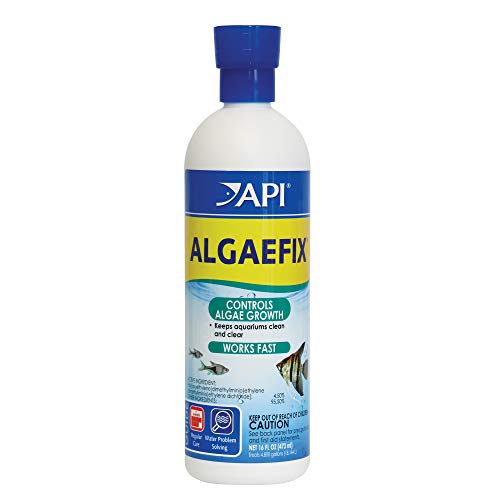
$16.98 on Amazon
Algaecide to knock back a heavy bloom, used alongside the real fixes.

MICROBE-LIFT Algae Remover (Algaway)
$9.49 on Amazon
Alternative liquid algaecide for freshwater tanks battling a bloom.
What green water actually is
Green water is caused by a population explosion of single-celled, free-floating algae suspended throughout the tank. This is different from the algae that coats glass and decor, and very different from a white bacterial bloom. Because the cells float, wiping surfaces or running a polishing pad alone will not clear it for long. You have to either kill the cells (UV or blackout) or remove their fuel (light and nutrients), and ideally both.
The two causes: light and nutrients
Every green water bloom comes down to the same pair of ingredients.
- Too much light. Direct sunlight on the tank is the worst offender, followed by an aquarium light left on too many hours a day.
- Too many nutrients. High nitrate and phosphate from overfeeding, overstocking, and skipped water changes give the algae the fertilizer they need.
High nitrate is a major driver, which is why water changes are part of the cure. For the full picture on all algae types, see our guide to controlling aquarium algae.
How to clear it: the proven sequence
1. Black out the tank
A complete three to five day blackout starves the algae of light. Cover the tank fully with a blanket or trash bags so no light gets in, turn off the aquarium light, and keep the filter and air pump running. Do not feed heavily and do not peek. Most blooms collapse during the blackout.
2. Run a UV sterilizer
A UV sterilizer kills the free-floating cells as water flows through it, and your filter then traps the dead cells. This is the most dependable tool and works within days. Leaving it running afterward prevents new blooms.
3. Water changes to lower nutrients
Well-sized water changes pull nitrate down and remove dead algae. Use our water change calculator to size a change that hits a target nitrate level without shocking your fish, and follow the method in our water change guide.
4. Cut light and feeding going forward
Move the tank out of direct sun, put the light on a timer for a sensible photoperiod, and feed only what the fish finish in a couple of minutes. This removes the fuel so the bloom cannot return.
A word on algaecides
An algaecide can knock back a heavy bloom quickly, but it is a short-term aid rather than a cure, and there is a real risk: killing a large mass of algae at once can drop oxygen sharply as the dead cells decay. If you use one, keep aeration strong, dose carefully to your real water volume with the aquarium unit converter, and never overdose. The lasting fix is always less light, fewer nutrients, and a UV sterilizer.
How to prevent green water
- Keep the tank out of direct sunlight. This single change prevents most blooms.
- Use a lighting timer. A consistent, moderate photoperiod beats leaving the light on all day.
- Feed sparingly. Excess food becomes the nitrate and phosphate that feed algae.
- Do regular water changes to keep nitrate low. The stocking calculator helps confirm you are not overstocked, which keeps the nutrient load manageable.
- Leave a UV sterilizer running if your tank is prone to blooms.
Once light and nutrients are balanced, free-floating algae simply run out of fuel. For everything water-related, the Water and Care hub keeps your parameters in check.
Aquarium Setup & Maintenance Planner
Stocking planner, water-test log, cycling tracker, maintenance schedule, and more, in one printable planner that keeps your tank on track.
Frequently Asked Questions
How do I get rid of green aquarium water?
Green water is a bloom of free-floating algae, so you cannot scrub it away. The reliable cure is to remove what feeds it: light and nutrients. The fastest combination is a complete multi-day blackout (cover the tank so no light reaches it for three to five days), reduced lighting and feeding going forward, and a UV sterilizer that kills the suspended cells as water passes through. Pair that with water changes to lower nitrate and the green clears for good.
Will a UV sterilizer clear green water?
Yes, a UV sterilizer is the most dependable single tool for green water. As tank water passes through the unit, ultraviolet light kills the free-floating algae cells, and the dead cells then get trapped by your filter. Most tanks clear within a few days of running UV. It treats the symptom very effectively, but you still need to reduce light and nutrients, or the bloom can return once the UV is off. Use both together for a lasting result.
Does a blackout hurt my fish or plants?
A three to five day blackout is safe for fish, which do not need light, and most established plants tolerate it fine since they can go without light for several days. Keep the filter and aeration running the whole time, do not feed heavily, and resist peeking, because the algae need total darkness to fail. After the blackout, do a water change and resume a shorter lighting schedule. Very light-demanding plants may sulk briefly but typically recover.
What causes green water in the first place?
Green water needs two things: strong light and excess nutrients, especially nitrate and phosphate. The most common triggers are direct sunlight hitting the tank, running the aquarium light too many hours a day, overfeeding, and skipping water changes so nitrate climbs. New tanks and tanks with a heavy fish load are especially prone. Remove either the excess light or the excess nutrients and the bloom loses its fuel.
Should I use an algaecide for green water?
An algaecide can knock back a bloom, but it is a short-term aid, not a cure, and it must be dosed carefully to your real water volume. Killing a large bloom all at once can also crash oxygen as the dead algae decay, so keep aeration strong if you use one. The lasting fix is still less light, fewer nutrients, and ideally a UV sterilizer. Treat an algaecide as one tool, not the whole solution, and never overdose it.
How do I stop green water from coming back?
Control the inputs permanently. Keep the tank out of direct sunlight, run the light on a timer for a sensible number of hours rather than all day, feed only what fish finish in a couple of minutes, and keep nitrate down with regular water changes. A UV sterilizer left running quietly handles any stray cells. Once light and nutrients are in balance, free-floating algae simply do not have enough to bloom on.
Planning or running a tank?
Use our free calculators and guides to get every number right.
Aquarium Planner: $39