Corydoras Catfish Care: Groups, Sand & Diet
Complete corydoras catfish care guide: why they need groups of six, soft sand substrate to protect barbels, sinking food, water parameters, tankmates, and health.
Corydoras catfish, affectionately called corys, are the cheerful, whiskered bottom-dwellers that make a community tank feel alive at every level. They are peaceful, hardy, and endlessly busy, snuffling along the substrate for food. Two rules define their care and beginners ignore them at their peril. First, corydoras are shoaling fish that must be kept in groups of six or more, because a lone cory is a stressed cory. Second, they need soft sand or very fine substrate, because they forage with delicate sensory barbels that coarse gravel grinds down and infects. Get those two things right, keep them in a 15 to 20 gallon tank with cool, clean water, and feed sinking food that actually reaches the bottom, and corys will thrive for years.
Corydoras care at a glance
| Care factor | Recommendation |
|---|---|
| Minimum tank size | 15 to 20 gallons for a group of common species |
| Adult size | About 2.5 inches (most common species) |
| Temperature | 72 to 78 degrees Fahrenheit |
| pH | 6.5 to 7.5 |
| Hardness | Soft to medium |
| Diet | Omnivore bottom-feeder; sinking pellets and wafers |
| Temperament | Peaceful, social, active bottom-dweller |
| Lifespan | 5 or more years, often longer with great care |
| Group | Keep 6 or more of the same species |
Tank setup
Most popular corydoras stay around 2.5 inches, so a 15 to 20 gallon tank comfortably houses a proper shoal of six or more. Because corys live and feed on the bottom, floor space matters as much as volume, so a longer, lower tank serves them better than a tall one. Dwarf species can fit in 10 to 15 gallons, while the larger corys need more room. Size the tank to the whole group with our minimum tank size calculator, and confirm the real water volume with the aquarium volume calculator.
Substrate: the make-or-break detail
This is the single most important setup choice for corydoras. They feed by sifting the substrate through the mouth and out the gills, using whisker-like barbels to taste for food. Sharp or coarse gravel slowly erodes those barbels, which leads to infection, blunted feeding, and a shorter life. Use smooth aquarium sand or, at most, a very fine, rounded gravel. Sand also lets you watch their best behavior as they bury their faces and forage. Keep whatever substrate you choose clean, since corys spend their whole life in contact with it.
Filtration and heating
Corys appreciate clean, well-oxygenated water without violent current. A hang-on-back, sponge, or canister filter with a turnover of roughly 4 to 6 times the tank volume per hour is ideal; check yours with the filter turnover calculator. Add a heater sized at about 3 to 5 watts per gallon to hold a steady temperature on the cooler side of tropical, around 72 to 78 degrees Fahrenheit. Add some plants, driftwood, and a cave or two so the shoal has shaded spots to rest between foraging runs.
Corydoras tank essentials
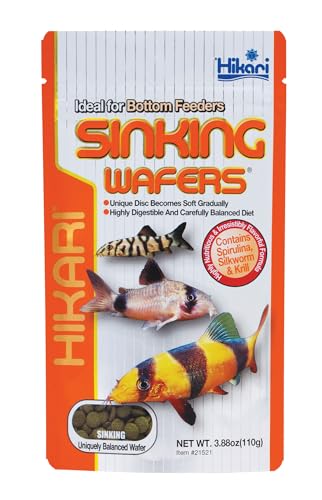
Hikari Sinking Wafers for Catfish & Bottom Feeders
Sinking wafer that reaches the bottom so corys actually get fed.

Aqua Natural Sugar White Aquarium Sand, 10 lb
Smooth, soft sand that protects delicate cory barbels during foraging.

Aqua Natural Bio-Active Sugar White Sand, 5 lb
Fine sand seeded with nitrifying bacteria to help a new tank settle.
Water parameters
Corydoras prefer cooler tropical water than many community fish, around 72 to 78 degrees Fahrenheit, with a pH of 6.5 to 7.5 and soft to medium hardness. A few species differ, such as sterbai corydoras, which handle the warmer water that discus and rams enjoy, so match your cory species to its tankmates' temperature. Avoid keeping common corys in very warm tanks long term, since chronic heat can shorten their lives.
As with any fish, never add corys to an uncycled tank. Run a fishless cycle for about 4 to 6 weeks so beneficial bacteria can take hold; see our cycling guide and nitrogen cycle article. Corys are somewhat sensitive to poor water quality and to nitrate buildup, so keep ammonia and nitrite at zero and stay on top of nitrate with regular water changes sized by the water change calculator. Clean substrate is especially important for bottom-dwellers.
Diet
Corydoras are omnivorous bottom-feeders, and the most common mistake is assuming they will survive on whatever drifts down from above. They will not. Make sinking pellets, wafers, and bottom-feeder tablets the staple so food reaches them on the substrate, and supplement with frozen or live treats such as bloodworms, blackworms, and brine shrimp. Feeding in the evening, after the lights dim, helps the sinking food get to the bottom before faster mid-water fish snatch it. They will also clean up uneaten food, but they should never rely on leftovers as their only meal.
Tankmates
Corydoras are the definition of a peaceful community fish and pair well with almost any calm species that does not occupy the bottom aggressively. Great companions include small tetras, rasboras, guppies, platies, mollies, and peaceful gouramis, as well as angelfish when the cory species tolerates the warmth. Avoid large or aggressive bottom-dwellers that compete for the same space, and avoid fish big enough to see a small cory as prey. Always keep the shoal at six or more, and plan the whole community with the stocking calculator so the bioload stays within your tank and filter.
Health and breeding
Corydoras are hardy and long-lived, often passing five years and frequently more with good care. Their two most common problems are tied directly to the rules above: barbel erosion from sharp substrate or dirty sand, and stress-related illness from being kept in groups that are too small. Watch the barbels stay intact, keep the substrate clean, and maintain a full shoal. Quarantine new fish for two to four weeks. They breathe partly by gulping air at the surface, which is normal, so do not mistake an occasional dash to the top for distress. This is educational guidance, not veterinary advice; consult a local fish store or aquatic vet for a sick fish.
Many corys will spawn in a well-kept tank. A classic trigger is a cool water change that mimics the rainy season, after which females deposit sticky eggs on the glass and plants in the T-position with a male. The eggs and fry are vulnerable to being eaten, so dedicated breeders move them to a separate tank. Even if you never plan to breed, seeing a spawn is a strong sign your corys are healthy and content.
The bottom line
Corydoras catfish are peaceful, durable, and a joy to watch, but they come with two firm rules: keep them in groups of six or more, and give them soft sand or very fine substrate to protect their barbels. Add cool, clean, cycled water, sinking food that actually reaches them, and calm community tankmates, and they will forage happily for years. Start by sizing the tank for the whole shoal with the minimum tank size calculator and planning the community with the stocking calculator.
Aquarium Setup & Maintenance Planner
Stocking planner, water-test log, cycling tracker, maintenance schedule, and more, in one printable planner that keeps your tank on track.
Frequently Asked Questions
How many corydoras should I keep together?
Keep corydoras in a group of at least six of the same species. They are social, shoaling fish that feel secure and behave naturally only in numbers. Kept singly or in pairs, they become stressed, shy, and prone to illness. Larger groups of eight to ten look fantastic and bring out their active, playful bottom-foraging behavior. Always plan group size against your tank with the stocking calculator.
Do corydoras need sand substrate?
Soft sand is strongly preferred. Corydoras sift the substrate with delicate sensory barbels around the mouth, and sharp or coarse gravel wears those barbels down and can lead to infection and feeding problems. Smooth aquarium sand or very fine, rounded gravel protects the barbels and lets them forage naturally. If you already use gravel, choose a smooth, fine grade and keep it scrupulously clean.
What size tank do corydoras need?
A 15 to 20 gallon tank suits most common corydoras species, which stay around 2.5 inches. Because they must be kept in groups of six or more, you need enough floor space and volume for the whole shoal. Smaller dwarf cory species can work in 10 to 15 gallons, while larger species need more. Use the minimum tank size calculator to match the group to a tank.
What do corydoras eat?
Corydoras are omnivorous bottom-feeders that need food which sinks to them. Sinking pellets, wafers, and bottom-feeder tablets should make up the staple, supplemented with frozen or live foods like bloodworms and blackworms. They are not just cleanup crew and will starve if they only get leftovers from above. Feed sinking food in the evening so it reaches the bottom before faster mid-water fish eat it all.
Are corydoras good for beginners?
Yes, corydoras are excellent beginner fish: peaceful, hardy, active, and endlessly entertaining as they forage along the bottom. The two requirements that matter most are keeping them in a group of six or more and giving them smooth sand or fine substrate to protect their barbels. Meet those, cycle the tank first, and corydoras are among the most rewarding community fish you can keep.
What temperature do corydoras need?
Most popular corydoras species do best at 72 to 78 degrees Fahrenheit, slightly cooler than some tropical fish. Avoid keeping them in very warm tanks long term, which can shorten their lives. A few species, such as sterbai corydoras, tolerate warmer water and pair better with discus. Match your cory species to its tankmates so everyone shares a comfortable temperature range.
Planning or running a tank?
Use our free calculators and guides to get every number right.
Aquarium Planner: $39