Nerite Snail Care: The Best Algae-Eating Snail
Nerite snail care guide: a 5 gallon tank, 72 to 78F, the calcium and harder water shells need, the top algae eater, and why their white eggs never hatch in freshwater.
Nerite snails are the best algae eating snail in the hobby and thrive in a cycled tank of at least 5 gallons kept at 72 to 78F with harder, alkaline water for strong shells. They are peaceful, leave live plants alone, and grow to about an inch. They will lay small white eggs, but those eggs will not hatch in freshwater, so there is no risk of a population explosion.
Nerite snails, members of the family Neritidae and sold in varieties like zebra, tiger, and horned, are the go to cleanup crew for keepers who want algae gone without pest snails taking over. This guide covers tank setup, water parameters, the calcium that protects their shells, diet, tankmates, and health. If you are still choosing a tank, size it with our minimum tank size calculator and confirm your real water volume with the aquarium volume calculator.
Nerite snail care at a glance
| Care factor | Detail |
|---|---|
| Minimum tank size | 5 gallons (about one snail per 5 gallons) |
| Adult size | About 0.5 to 1 inch |
| Temperature | 72 to 78F |
| pH | 7.0 to 8.5 |
| Hardness | Moderately hard to hard for shell health |
| Diet | Algae and biofilm grazer plus supplemental algae foods |
| Temperament | Peaceful and plant safe |
| Lifespan | About 1 to 2 years |
| Breeding | Lays white eggs that will not hatch in freshwater |
| Best feature | Most effective algae eating snail |
Tank setup
Nerite snails fit comfortably in tanks from 5 gallons up, with a rough guideline of one snail per 5 gallons so they always have enough algae to graze. The tank must be fully cycled before they arrive, because snails are sensitive to ammonia. Beyond that, nerites are low maintenance: a gentle filter, stable temperature, and a secure lid cover the essentials.
Filtration and a secure lid
A sponge filter or a baffled hang on back provides gentle filtration and good oxygenation, both of which nerites appreciate. The one setup detail to watch is escapes. Nerites are wanderers that sometimes climb above the waterline and can crawl out of an open tank, where they dry out, so keep a tight, well fitting lid in place. They do not require an air gap the way air breathing mystery snails do, but a covered tank prevents the occasional walkabout.
Substrate, plants, and copper warning
Nerites graze on hard surfaces, so glass, rocks, driftwood, and broad plant leaves all give them feeding grounds. They are completely plant safe and will not damage healthy live plants, which makes them ideal for planted aquascapes. Like all invertebrates, nerites are killed by copper, so never use copper based fish medications and read every label on treatments and fertilizers. Establish the nitrogen cycle and let the beneficial bacteria mature over about 4 to 6 weeks before adding livestock.
Water parameters and shell health
Nerites do best in harder, slightly alkaline water with a pH of 7.0 to 8.5. The key to a long, healthy life is calcium and stable hardness. Nerites build their shells from calcium, and soft, acidic, or mineral poor water causes the shell to erode, pit, and thin, which eventually harms the snail. Keep your GH and KH in the moderate to hard range so the water both supplies calcium and buffers the pH against crashes. A cuttlebone, calcium supplement, or calcium rich food reinforces the shell.
In a cycled tank target 0 ppm ammonia, 0 ppm nitrite, and low nitrate. Always dechlorinate tap water and never expose nerites to copper. Weekly water changes of 20 to 30 percent keep nitrate low and minerals replenished, and our water change guide covers a gentle routine that does not stress invertebrates.
Diet
Nerites are dedicated algae grazers and are happiest in a tank with a steady supply of film algae, soft green algae, and brown diatoms. The catch is that they are so effective they can clear a small tank and then run short on food, so supplement before they starve. Offer sinking algae wafers, blanched zucchini, spinach, or kale, and calcium rich snail foods. They generally ignore flake fish food and healthy live plants. Feed only what they finish in a few hours, and watch for a thin, shrinking body, which is a clear sign the tank is too clean to feed them.
Nerite snail tank essentials
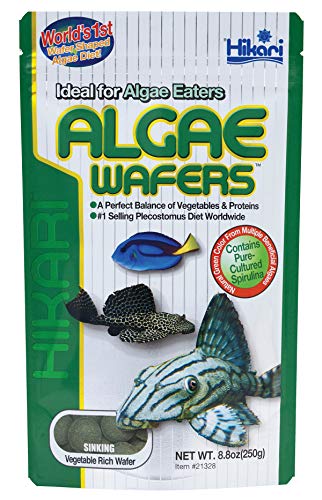
$15.49 on Amazon
Sinking algae wafers to supplement grazing when tank algae runs low.

$3.48 on Amazon
Budget friendly algae wafers for bottom feeders and grazing snails.

KatsAquatics Calcium + Protein Supplement
$13.50 on Amazon
Sinking calcium source that supports strong, erosion resistant shells.

Sepia King Natural Cuttlebone (12 Pack)
$15.99 on Amazon
Slow dissolving calcium that helps keep nerite shells strong over time.
Tankmates
Nerite snails are peaceful, plant safe, and pair beautifully with calm community tanks, shrimp colonies, and other snails. Excellent companions include tetras, rasboras, corydoras, otocinclus, peaceful livebearers, dwarf shrimp, and mystery snails. The risks to avoid are snail eaters and antenna nippers such as many loaches, large cichlids, goldfish, and pufferfish, and crayfish, which will attack snails. Because nerites add almost no measurable bioload, they are an easy add to most setups, but it is still smart to confirm your overall load with the stocking calculator before adding fish.
Common problems and health
Nerite issues almost always trace to water chemistry or diet. Shell erosion and pitting, seen as white worn patches usually near the top of the shell, point to low calcium, low KH, or acidic water, so raise hardness and add a calcium source. Starvation is common in very clean tanks, where a thin body and a snail that stops moving signal it has run out of algae, so supplement with wafers. A snail sealed in its shell or stuck upside down for a long time may be stressed by poor water, the wrong temperature, or copper exposure, so test the water and rule out any copper med. A healthy nerite grazes actively across glass and decor, so prolonged stillness is a warning. For ongoing problems, ask a knowledgeable local fish store. This guide is educational, not a substitute for professional advice.
Breeding and the white egg question
You will probably see nerites lay eggs, and that is nothing to worry about. Females deposit small, hard, white egg capsules on glass, rocks, and decor, but those eggs cannot hatch in fresh water because nerite larvae need brackish or saltwater to develop. In a standard freshwater tank the capsules simply remain in place and never become baby snails, which is exactly why nerites are popular: they give you all the algae control of a snail with none of the runaway breeding. The only minor drawback is the harmless white specks, which you can scrape off if they bother you. Breeding nerites deliberately is an advanced project that requires a separate brackish larval setup.
The bottom line
Nerite snails are the most effective algae eating snail you can add to a freshwater tank, and they do it without harming plants or overrunning the aquarium. Give them a cycled 5 gallon or larger tank, harder alkaline water with steady calcium for strong shells, a secure lid, supplemental algae food when the tank gets clean, and no copper, and they will keep your glass and decor spotless for a year or more. Plan with the minimum tank size calculator, confirm volume with the aquarium volume calculator, and keep stocking balanced using the stocking calculator.
Aquarium Setup & Maintenance Planner
Stocking planner, water-test log, cycling tracker, maintenance schedule, and more, in one printable planner that keeps your tank on track.
Frequently Asked Questions
Are nerite snails the best algae eaters?
For snails, yes. Nerite snails are widely considered the top algae eating snail in the hobby because they relentlessly graze film algae, soft green algae, brown diatoms, and even some tougher algae off glass, rocks, and decor. They do this without eating healthy live plants, which is a major advantage over many other snails. A few nerites can keep a small tank visibly cleaner, though they will not touch stubborn black beard or hair algae.
Why do the white eggs not hatch?
Nerite snails lay small, hard, white egg capsules on glass, rocks, and decor, but those eggs cannot hatch in a freshwater tank. Nerite larvae require brackish or saltwater to develop, so in a normal freshwater aquarium the eggs simply sit there and never produce baby snails. This is actually good news: it means nerites will never overrun your tank the way pest snails do. The only downside is the harmless white specks they leave behind.
How many nerite snails should I keep?
A common guideline is roughly one nerite snail per 5 gallons, adjusted to how much algae your tank grows. In a clean, low algae tank, too many nerites will run out of food and starve, so err on the conservative side and supplement with algae wafers if needed. A 10 gallon tank typically supports one or two, while a larger, algae rich tank can host more. Watch their grazing to judge whether the tank can feed them.
Do nerite snails need calcium?
Yes. Like all snails, nerites build their shells from calcium and need harder, more alkaline water to keep those shells strong. Soft, mineral poor or acidic water causes shell erosion, pitting, and thin spots, which over time can harm the snail. Keep GH and KH in the moderate to hard range, add a cuttlebone or calcium supplement, and offer calcium rich foods. Stable KH also keeps the pH from dropping, which protects both the shell and the snail.
What do nerite snails eat besides algae?
Nerites graze algae and biofilm constantly, but a clean tank may not grow enough to feed them. Supplement with sinking algae wafers, blanched vegetables such as zucchini, spinach, or kale, and calcium rich snail foods. They generally ignore healthy live plants and flake fish food, focusing on surfaces instead. Feed only what they clear in a few hours so leftovers do not foul the water, and watch for a thin or shrinking body, a sign of underfeeding.
Will nerite snails climb out of the tank?
They can. Nerite snails are known wanderers that sometimes climb above the waterline and occasionally crawl out of an open top tank, where they will dry out and die. A secure, well fitting lid is the simple fix. They do not need an air gap the way air breathing mystery snails do, but leaving a little space at the top and keeping the tank covered prevents escapes and gives you peace of mind.
Planning or running a tank?
Use our free calculators and guides to get every number right.
Aquarium Planner: $39