Brown Algae (Diatoms): Why New Tanks Go Brown
Brown dusty film in a new aquarium is a diatom bloom. Learn why new tanks get brown algae and how to clear it with cleanup animals, wiping, and patience.
That brown, dusty film coating the glass, substrate, and decor of a young aquarium is a diatom bloom, commonly called brown algae. It is caused by the silicates and surplus nutrients that are abundant in new setups, it is harmless to fish, and it is one of the most normal phases a new tank goes through. The good news is that it almost always fades on its own as the tank matures, and you can speed it up with regular cleaning, water changes, and a few diatom-eating animals.
Nearly every new keeper sees this brown phase and worries they have done something wrong. They have not. A diatom bloom is a sign of a tank in its early settling-in stage, and patience is the main ingredient in the cure.
Clear Brown Algae With These
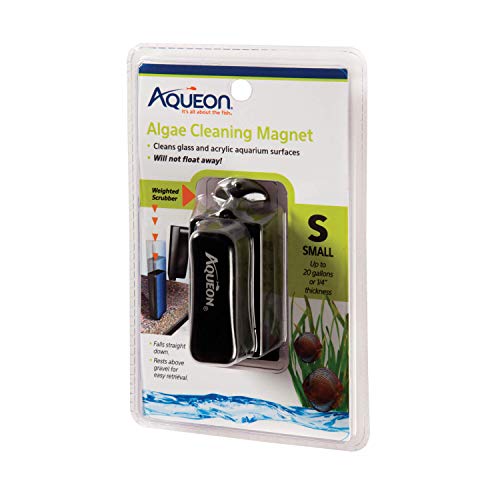
Aqueon Algae Scraper (Magnetic)
Wipe brown diatom film off glass quickly without getting your hands wet.

Swimming Creatures Nerite Snails (6 Pack)
Tireless grazers that scrape diatoms off hard surfaces and will not overrun the tank.

Swimming Creatures Otocinclus Catfish (3 Pack)
Peaceful diatom specialists that mow brown film off glass and plants.
What brown algae actually is
Despite the name, the brown film is mostly diatoms, microscopic single-celled organisms with silica shells. They are not the same as the green algae you scrub off an established tank, and they are not the free-floating algae that cause green water. Diatoms feed on silicates (silica) and nutrients that are plentiful in a fresh setup. They form a soft brown dust or film that wipes away easily, unlike tougher green algae.
Why new tanks go brown
A diatom bloom is really a symptom of a young, unbalanced ecosystem. Several conditions line up in a new tank:
- High silicates. New substrate, decor, and many tap-water sources release silica that diatoms feed on.
- Excess nutrients. A young tank often has surplus nutrients before plants and bacteria fully establish.
- An immature ecosystem. With little competition from plants or other algae, diatoms get a free run.
- Unstable conditions. New lighting routines and a still-developing biological filter favor diatoms.
As the tank matures, silicates deplete, the nitrogen cycle establishes, plants and green algae outcompete diatoms, and the bloom fades. That natural progression is why established tanks rarely see brown algae.
How to clear it
Time does most of the work
In a typical new tank, diatoms appear in the first few weeks and decline over a few weeks to a couple of months as the system balances. You do not have to do anything dramatic. Steady maintenance plus a little patience is the real cure.
Manual removal
- Wipe surfaces with an algae scraper or pad. Diatom film comes off easily.
- Siphon as you go. Loosen the film, then vacuum it out during a water change so it does not just resettle.
- Clean decor and substrate gently, since diatoms coat everything in a young tank.
Cleanup crew
Diatom-eating animals are very effective once your tank can support them.
- Otocinclus catfish are dedicated diatom grazers. Add them only once the tank is established with enough algae to feed them, and supplement with algae wafers if the brown film runs out, since they can starve in a too-clean tank.
- Nerite snails scrape diatoms off glass and hardscape and will not breed into a pest population in freshwater, making them an easy, peaceful choice.
Before adding any cleanup crew, make sure you have room in your bioload. Our stocking calculator helps you confirm there is space for snails or otos.
Reduce the inputs
- Regular water changes remove nutrients diatoms feed on. Size them with the water change calculator.
- Moderate lighting on a consistent timer helps the tank balance rather than favoring algae.
- For stubborn cases with high-silicate source water, an RO or silicate-removing filter can cut the supply at the root.
How to prevent a long brown phase
- Let the tank mature without rushing. A patient cycle and stable routine shorten the diatom phase.
- Add live plants. Healthy plants outcompete diatoms for nutrients.
- Keep up consistent maintenance with regular water changes and gentle cleaning.
- Watch your source water. If diatoms persist for months in an established tank, high silicates from tap water may be the cause.
For the wider picture on every algae type, including the green film and green water that show up in older tanks, see our guide to controlling aquarium algae and the Water and Care hub. A brown new tank is normal, so clean what you can, be patient, and let the ecosystem find its balance.
Aquarium Setup & Maintenance Planner
Stocking planner, water-test log, cycling tracker, maintenance schedule, and more, in one printable planner that keeps your tank on track.
Frequently Asked Questions
What is the brown dust coating my new tank?
That brown, dusty film on glass, substrate, and decor in a young tank is a diatom bloom, often called brown algae. Diatoms are microscopic organisms that thrive on silicates and nutrients abundant in new setups. It is extremely common in tanks under a few months old, harmless to fish, and usually a passing phase. As the tank matures and silicates deplete, diatoms fade on their own. You can speed things along, but time does most of the work.
Will brown algae go away on its own?
In most new tanks, yes. Diatoms typically appear in the first weeks to months and then decline as the tank matures and the silicates they feed on are used up. This can take a few weeks to a couple of months. You can help by wiping it off surfaces, doing regular water changes, and adding diatom-eating cleanup animals, but in a healthy new tank it usually resolves without any special intervention.
What eats brown algae?
Otocinclus catfish are famous diatom grazers and will happily mow brown film off glass and plants, and nerite snails are excellent at scraping it from hard surfaces without breeding into a pest population. Both are peaceful and well-suited to community tanks. One caution: otocinclus need an established tank with a steady food supply, so add them once there is enough algae to sustain them, and supplement with algae wafers if the diatoms run out.
Why do new tanks get brown algae but old ones do not?
New tanks are rich in the silicates and excess nutrients diatoms love, and they often have unstable lighting and an immature ecosystem with little competition. As a tank matures, silicates get consumed, the biological system balances, plants and other algae outcompete diatoms, and cleanup animals keep surfaces grazed. That combination is why an established tank rarely sees a diatom bloom while a brand-new one almost always does.
How do I get rid of brown algae faster?
Wipe it off surfaces with an algae scraper or pad, then siphon the loosened diatoms out during a water change so they do not just resettle. Keep up regular water changes to remove nutrients, and add diatom-grazing animals like otocinclus or nerite snails once the tank can support them. If your source water is high in silicates, an RO or silicate-removing filter can help stubborn cases. Mostly, though, consistent cleaning plus patience wins.
Is brown algae a sign something is wrong?
In a new tank, no. A diatom bloom is a normal stage of a maturing aquarium and not a sign of poor keeping. It becomes worth investigating only if it persists for many months in an established tank, which can point to ongoing high silicates from source water, excess nutrients, or weak lighting. In that case, test your water, review feeding and maintenance, and consider your source water quality.
Planning or running a tank?
Use our free calculators and guides to get every number right.
Aquarium Planner: $39