Fish Died Suddenly: Likely Causes & What to Do
When a healthy fish dies fast, an invisible water problem is usually to blame. Learn the most likely causes, how to investigate, and how to protect the rest.
When a healthy fish dies suddenly, the most likely cause is an invisible water problem, usually an ammonia or nitrite spike in a new or recently disrupted tank. These toxins are colorless and odorless, so the water can look perfect while a fish is being poisoned. The first action is to test the water for ammonia, nitrite, and nitrate right away, because the result tells you whether the rest of your fish are still in danger. Sudden death is almost always about conditions, not bad luck.
Losing a fish is upsetting, especially when it seemed fine yesterday. This guide walks through the most common fast killers in order, how to investigate calmly, and how to protect the survivors so you do not lose more.
Investigate and Protect Toolkit

API Freshwater Master Test Kit
Test ammonia, nitrite, nitrate, and pH to find the cause and protect the rest.
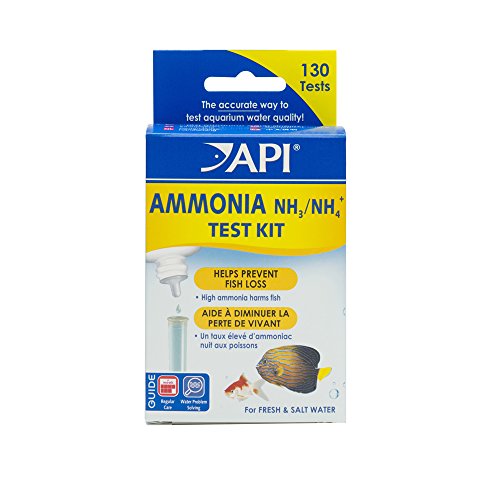

Seachem Prime Water Conditioner
Detoxifies ammonia and nitrite and dechlorinates new water, key after a loss.

API Quick Start Nitrifying Bacteria
Adds beneficial bacteria to help a struggling or new filter catch up.
The most likely causes
1. Ammonia or nitrite spike
This is the leading cause of fast, unexplained death. Overfeeding, a dead fish left in the tank, adding too many fish at once, or over-cleaning the filter can all trigger a spike that poisons fish before you notice anything wrong. Test first. Read ammonia in the aquarium and nitrite in the aquarium to understand the danger.
2. An uncycled tank (new tank syndrome)
A brand new tank has no beneficial bacteria to process waste, so ammonia climbs quickly and kills within days. This is the classic beginner heartbreak. Never add fish to an uncycled tank. Learn the aquarium nitrogen cycle and how to cycle a fish tank before stocking.
3. Temperature crash or spike
A failed heater, a heater stuck on, or a cold room can swing the temperature fast. Sudden change shocks fish, and overheating also cuts oxygen. Check the reading against your species range in aquarium water temperature.
4. Chlorine or chloramine in new water
Untreated tap water is toxic and damages gills quickly. Forgetting dechlorinator during a water change is a common, preventable cause. Always treat every drop of new water.
5. Low oxygen and asphyxiation
Warm water holds less oxygen, and a stalled filter, poor surface movement, or overstocking can drop it to fatal levels overnight. Gasping at the surface beforehand is the tell.
6. Outside poisoning
Aerosols, cleaning sprays, scented candles, paint fumes, and soap or lotion on hands can contaminate a tank fast. If water tests come back normal, an outside toxin is a strong suspect.
How to investigate the death
- Test the water immediately. Ammonia, nitrite, nitrate, and pH. A spike points straight to the cause.
- Check the temperature. Confirm the heater is working and the reading suits the species.
- Review recent changes. A water change, new fish, new decor, a missed dechlorinator, or a forgotten feeding.
- Inspect the fish and tank. Look for disease signs, a dead second fish, leftover food, or a stalled filter.
- Consider the room. Any sprays, fumes, or cleaning near the tank recently.
How to protect the rest of the tank
- Remove the dead fish promptly so it does not decay and spike ammonia further.
- Do a partial water change of 25 to 50 percent with treated, temperature-matched water. Use the water change calculator to size it.
- Dose a detoxifier like Seachem Prime to neutralize ammonia and nitrite while you stabilize.
- Check filter and heater are running correctly and have not been over-cleaned.
- Hold off on new fish until parameters are stable and you understand what happened.
- Test daily until readings settle back to safe levels.
How to prevent future losses
- Cycle before stocking and add fish slowly within your tank limits. Check capacity with the stocking calculator.
- Always dechlorinate every drop of new water.
- Test weekly to catch a problem before it becomes fatal.
- Feed sparingly and remove leftovers and dead fish quickly.
- Keep stable temperature and good oxygen with a reliable heater and surface movement.
- Keep chemicals away and wash hands with plain water before reaching in.
A sudden death is hard, but it usually leaves clues, and most causes are preventable conditions rather than mystery. This guide is educational, not veterinary advice. If your fish keep dying despite good water and care, a local fish store or aquatic vet can help you dig deeper. For related reading, see ammonia spike emergency steps and the full Water and Care hub.
Aquarium Setup & Maintenance Planner
Stocking planner, water-test log, cycling tracker, maintenance schedule, and more, in one printable planner that keeps your tank on track.
Frequently Asked Questions
Why did my fish die suddenly with no warning?
The most common reason a healthy fish dies fast is an invisible water problem, usually an ammonia or nitrite spike in a new or disrupted tank. These toxins are colorless and odorless, so the water looks fine while the fish is being poisoned. Other quick killers include a temperature crash, untreated chlorine in new water, and low oxygen. Testing the water right after a death is the best way to find the cause.
Can an uncycled tank kill fish quickly?
Yes, and it is one of the most common causes of sudden loss in beginners. A new tank has no beneficial bacteria, so ammonia from waste and food climbs rapidly and poisons fish within days. This is called new tank syndrome. Always cycle a tank before adding fish, a process that takes four to six weeks fishless, so the bacteria are in place to handle waste before any fish arrive.
Did chlorine in tap water kill my fish?
It can. Chlorine and chloramine in municipal tap water are toxic to fish and damage their gills quickly, which is why every drop of new water must be treated with a dechlorinator before it goes in the tank. Adding untreated tap water during a water change is a classic cause of sudden death. A quality conditioner removes chlorine and neutralizes chloramine, protecting both fish and beneficial bacteria.
How do I protect my other fish after one dies?
Act as if the cause is still present. Remove the dead fish promptly so it does not foul the water, then test for ammonia, nitrite, and nitrate. Do a partial water change with treated, temperature-matched water, dose a detoxifier, and check the heater and filter. Hold off on adding new fish until you know what happened and the parameters are stable, because the same cause can take the rest of the tank.
Can a fish die from low oxygen or being too hot?
Yes. Warm water holds less dissolved oxygen, so a heat spike or a stuck heater can cause both overheating and suffocation at once. Poor surface agitation, an overstocked tank, or a stalled filter can also drop oxygen to fatal levels overnight. Signs include fish gasping at the surface before death. Increase surface movement with an air stone or filter outflow and cool an overheated tank gradually.
Could something poisonous have gotten into the tank?
It happens more than people expect. Aerosols, cleaning sprays, scented candles, paint fumes, hand lotions or soap on hands, and untreated decorations can introduce toxins that kill fish quickly. Never use household cleaners near an open tank, wash hands with plain water before reaching in, and only add aquarium-safe decor. If water tests look normal after a sudden death, an outside contaminant is a strong suspect.
Planning or running a tank?
Use our free calculators and guides to get every number right.
Aquarium Planner: $39